Soulslike
The Soulslike Is Stuck — And Only Dinosaurs and Extraction Shooters Are Trying to Fix It
After Elden Ring stretched the genre to its limits, most developers are running the same playbook while a few wild experiments point to what might come next.
The Formula That Ate a Decade
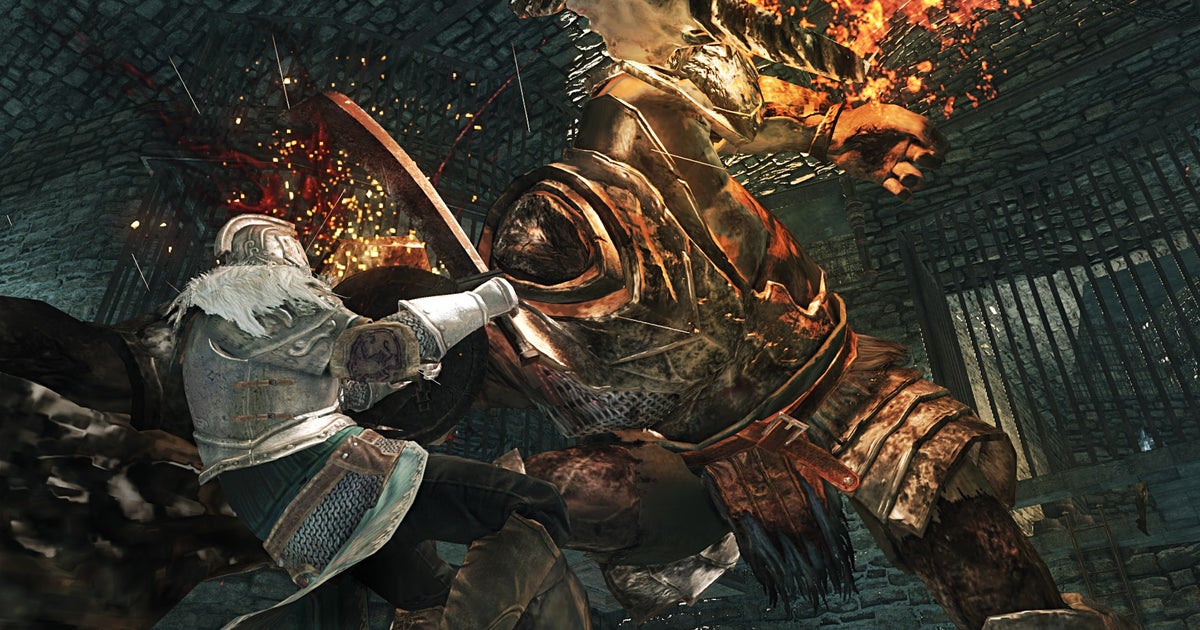
Soulslikes have been running on the same fuel since Demon's Souls lit the bonfire. The core loop is deceptively simple: kill enemies, collect currency, spend it to level up at checkpoints, and pray you don't die before cashing in — because death drops everything, with one shot to retrieve it. Maps twist and fold over themselves, rewarding players who ignore the glowing trail and wander into dark corners. Combat demands patience over button-mashing, and every encounter carries the weight of potential loss. This structure powered Dark Souls, Dark Souls 2, Dark Souls 3, Bloodborne, and Sekiro, each iteration refining the formula without breaking it. Team Ninja's Nioh swapped interconnected worlds for mission-based structures and layered fighting-game depth onto the combat. The Surge added robotic limbs. Mortal Shell introduced hardening. Lords of the Fallen (2014) let you knock over shielded enemies. Each grabbed one signature mechanic and bolted it onto the skeleton. The bones stayed the same.
Elden Ring Stretched the Canvas — Then the Industry Followed the Same Pattern
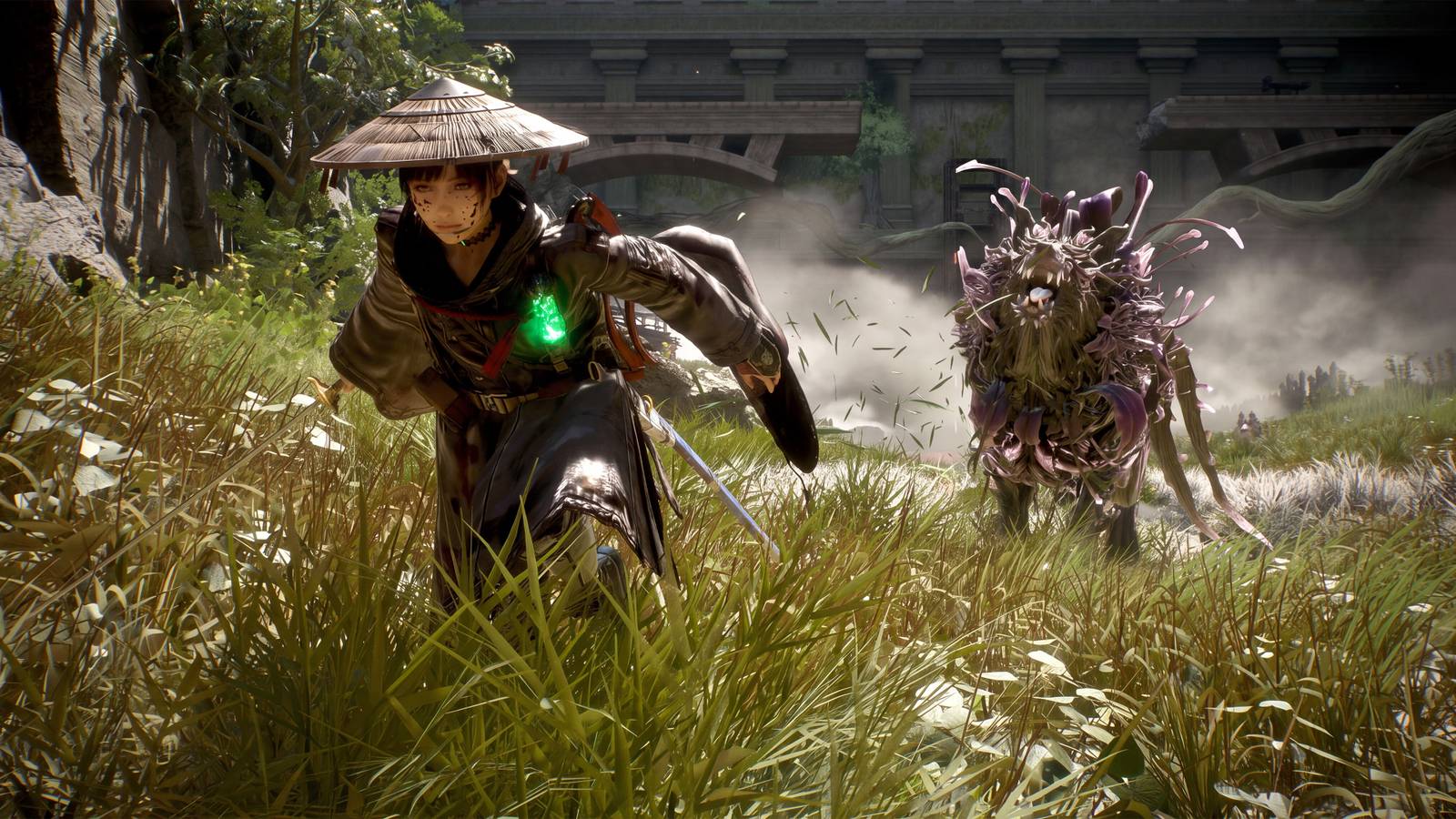
FromSoftware's open-world reinvention turned their compact puzzle-box design into a sprawling continent, scattering Sites of Grace whose guiding trails practically dared players to ride the opposite direction. Elden Ring proved the Souls formula could reach mainstream audiences when wrapped in enough scale. Black Myth: Wukong followed, a blockbuster action RPG where a staff-wielding monkey battles gods across an open-world-ish Chinese mythology. Team Ninja folded Nioh 3 into a superb open-world blend. Lies of P, a dark-fantasy Pinocchio riff, played like a Soulslike from an earlier generation but introduced limb-swapping and a lying mechanic that bent the narrative. The pattern repeated: developers took the Elden Ring lesson — scope sells — and applied it to their own projects. The formula expanded outward without fundamentally changing what happened inside it.
One Gimmick Per Game Has Become the Industry Standard
Browse Steam's Soulslike catalog and the pattern is unmistakable: each title picks a single distinguishing feature and builds the rest by the book. The Lords of the Fallen (2023) introduced an interdimensional death lamp that let players toggle between the living and dead worlds — a genuinely cool mechanic bolted onto otherwise standard Souls combat and progression. Thymesia offered zippy plague-weapon combat. Wo Long: Fallen Dynasty leaned on deflect-based counters. Each game had its hook, and each hook existed within the same fundamental structure the genre has used for years. The First Berserker: Khazan takes the anime route, and Valor Mortis transplants Souls into a first-person shooter format. These are variations on a theme, not new compositions. The industry has effectively settled into a rhythm where Soulslikes are distinguished by their peripheral novelty rather than any structural reinvention.
FromSoftware's Own Pivot Raises Questions
The studio that built the genre is now chasing multiplayer trends. Elden Ring: Nightreign launched as a co-op roguelike, and The Duskbloods — a Nintendo Switch 2 exclusive — is set to deliver PvPvE extraction-shooter gameplay. These moves follow the battle royale and extraction shooter booms that reshaped the industry over the past five years. Whether FromSoft can apply their design sensibility to competitive multiplayer formats remains unproven. The concern among longtime fans is that these projects read as revenue plays rather than the kind of single-player, world-building-driven experiences that defined the studio's legacy. Hidetaka Miyazaki's next solo-directed project, whatever it may be, is the one the genre's faithful are actually waiting for.
The Genuinely Weird Experiments Are Coming From Smaller Studios
Third-party developers chase multiplayer and live-service trends — Mistfall Hunter is another PvPvE entry — while smaller studios take the opposite approach. Valor Mortis transplants Souls combat into a first-person shooter, a structural change rather than a surface swap. The gap between what developers are building and what players want is widening. Most pursue formats chasing industry trends while audiences wait for Miyazaki's next singleplayer vision.
What the Genre Actually Needs Next
The most promising direction may involve shrinking rather than expanding. Elden Ring proved bigger works, but the genre's tightest moments have always been its most contained ones — a single room where every dodge matters, a shortcut that recontextualizes an entire area. FromSoft's summon systems, which let players conjure spectral allies, could evolve into something closer to JRPG party management, where players command a small squad rather than fighting alone. Bonfires could become communal spaces where players trade and interact rather than simply resting. The stamina-bar removal in Mortal Shell 2 suggests developers are ready to question mechanics that seemed sacred. The genre doesn't need another open world or another gimmick weapon — it needs someone to rebuild the foundation while keeping the tension that made players fall in love with it in the first place.
Source material: rockpapershotgun.com — this piece is based on that published source material.