Action Games
Onimusha's Reinvention: Combat, Culture, and a Changed Sword
Capcom's revival blends customizable combat, historical depth, and a broader exploration for a modern era.
Open-Ended Kyoto Exploration
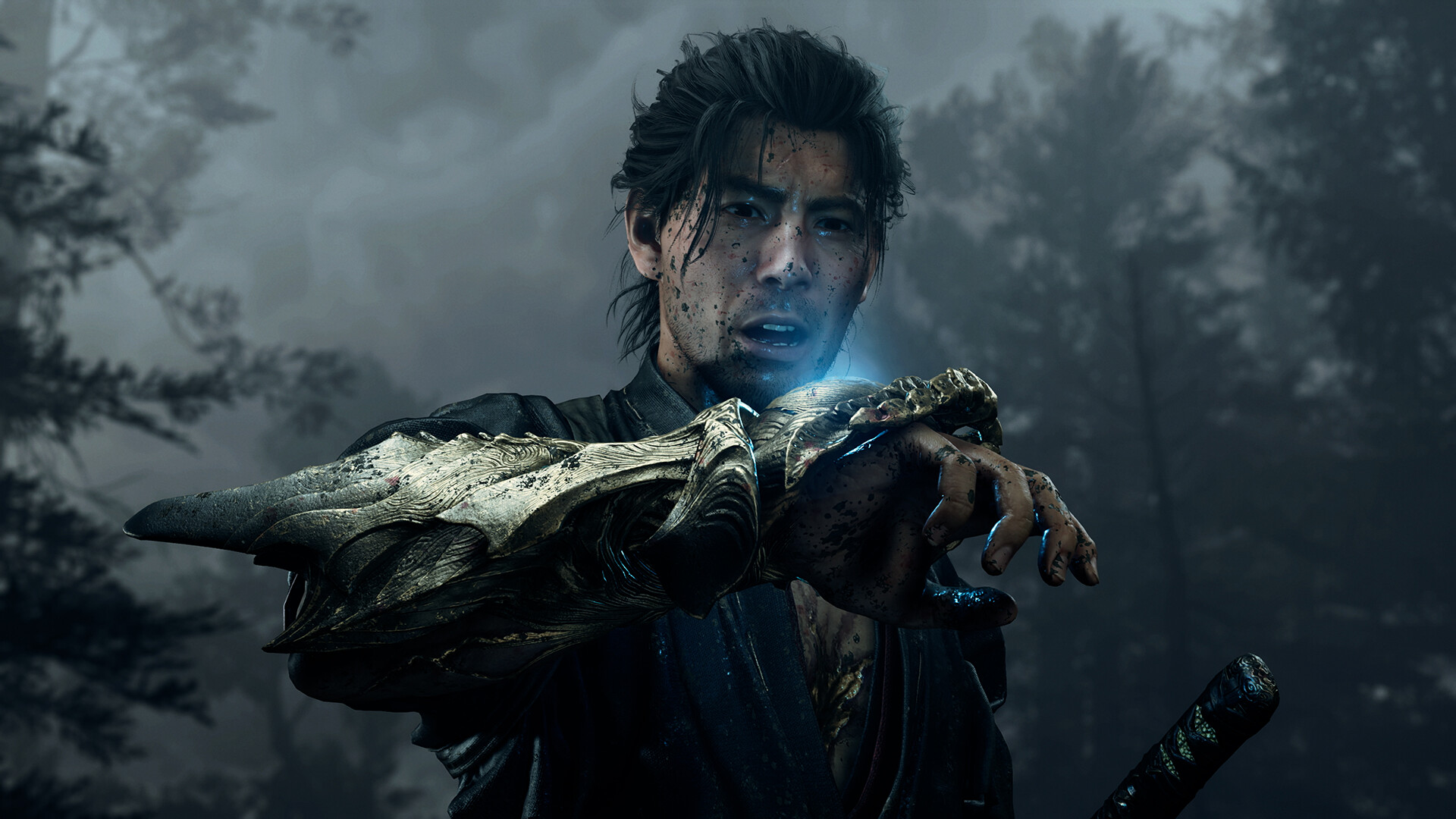
Onimusha: Way of the Sword breaks from the series' linear tradition by offering players access to a substantial portion of Kyoto that can be explored at their own pace. According to PC Gamer's Robert Jones, who experienced an exclusive preview, the game isn't fully open-world but provides open-ended environments where players can deviate from the main quest. This design includes speaking to various NPCs scattered throughout the city, each potentially offering side quests or information about hidden bosses. Director Satoru Nihei emphasized that Kyoto's rich history and eerie legends are woven into these optional missions, allowing players to delve into the city's cultural depth. In practice, players might wander through Kyoto's streets, discovering clues to secret encounters or engaging in activities that flesh out the game world, such as investigating historical sites or pursuing tales of local folklore. This approach transforms exploration into an active pursuit, where every detour could lead to meaningful content that enhances the overall experience. The open-ended areas are designed to be discovered organically, with players choosing how much time to invest in uncovering the city's secrets, making each playthrough unique and tailored to individual curiosity.
Side Quests and Hidden Bosses
Optional side quests and hidden bosses in the new Onimusha entry serve as proving grounds for players' mastery of the Issen mechanics. By engaging with NPCs throughout Kyoto, players can unlock these challenges, which are often rooted in the city's historical and folklore-based narratives. For instance, speaking to a local might reveal the location of a hidden boss inspired by a strange tale from Kyoto's past. These encounters require players to apply the Issen system effectively, dodging attacks and counter-striking at the perfect moment to defeat powerful foes. Exploration becomes about actively seeking out and preparing for these high-stakes battles. Players might need to gather clues, complete preliminary tasks, or simply brave the unknown areas of Kyoto to find these optional challenges. The hidden bosses are designed to test even seasoned players, with mechanics that reward patience and observation, ensuring that side content feels integrated and rewarding.
Historical and Cultural Integration
The development team has embedded Kyoto's history and strange tales directly into the missions of this revived series. Director Satoru Nihei noted that players can undertake quests that delve into the city's cultural tapestry, from documented historical events to local folklore. This integration manifests in gameplay through activities like solving puzzles at historical sites, battling enemies inspired by Kyoto's legends, or uncovering secrets tied to real-world heritage. For example, a mission might involve exploring a famous temple to defeat a boss based on a mythical creature from Japanese lore. By experiencing these elements, players gain insight into Kyoto's past, with the game serving as a portal to its charm. The optional missions are designed to be discovered organically, offering depth that rewards curiosity and exploration. Kyoto's history becomes an active component of the gameplay, with each mission providing a glimpse into the city's real and mythical narratives.
Customizable Difficulty Settings
To address the low challenge level observed in the playable demo, this upcoming title will introduce difficulty sliders in the full game. These sliders allow players to adjust parameters such as enemy aggressiveness and damage output, tailoring the experience to their skill level. Newcomers can lower the difficulty to enjoy the atmosphere and story without frustration, while veterans can increase it for a more demanding combat system that tests their mastery. The demo highlighted the game's core mechanics, but the final release aims for balance through these customizable options. This feature ensures that the Issen system remains accessible yet deep, catering to a wide audience without diluting the game's integrity. The difficulty sliders are set to make the Issen mechanics appreciable by players of all skill levels, with adjustments that can be made on the fly.
Contrasting Hero and Villain Designs
The playable demo showcased Onimusha: Way of the Sword's combat through encounters with Miyamoto Musashi and Sasaki Ganryu. Musashi wears humble, raggedy clothing, while Sasaki is adorned in fancy, bright garments and accessories, giving him an aristocratic air. This design choice extends to their combat animations: Musashi's movements are wild and powerful, emphasizing brute strength, whereas Sasaki's are smooth and elegant, showcasing a refined technique. In gameplay, players will notice these differences during encounters, with Musashi's attacks feeling heavy and direct, and Sasaki's appearing fluid and calculated. The two rivals have distinct approaches to life and combat. The demo's low challenge level did not fully expose the depth of these differences, but the full game will add difficulty sliders to let players experience each rival's fighting philosophy at higher stakes.
Multi-Platform Launch and Demo Access
Onimusha's return is set for multiple platforms: PC, PlayStation 5, Xbox Series X|S, and Nintendo Switch 2. A playable demo on Steam generated early excitement and sold the game to most fans, giving them a first taste of the game's atmosphere and combat mechanics. The demo had a low challenge level that will be balanced in the full release through difficulty sliders, ensuring that encounters feel demanding even for experienced players. Beyond combat, Director Satoru Nihei has said that Kyoto holds many strange tales and hidden bosses, and that players can peel off the main quest to take on side missions and speak with NPCs. These optional areas flesh out the setting and offer extra encounters that push the Issen system. The multi-platform launch ensures a wide audience—from console enthusiasts to Nintendo Switch 2 adopters—can experience the game on day one.
Source material: wccftech.com — this piece is based on that published source material.