Game Freak
Game Freak Left Pokémon Behind for Beast of Reincarnation — Here's What It Built
The studio's boldest experiment yet blends Sekiro parries with turn-based dog commands, stumbles on technical polish, and lands at a 73 Metascore that splits the difference between ambition and execution.
A Studio Steps Outside Its Lane
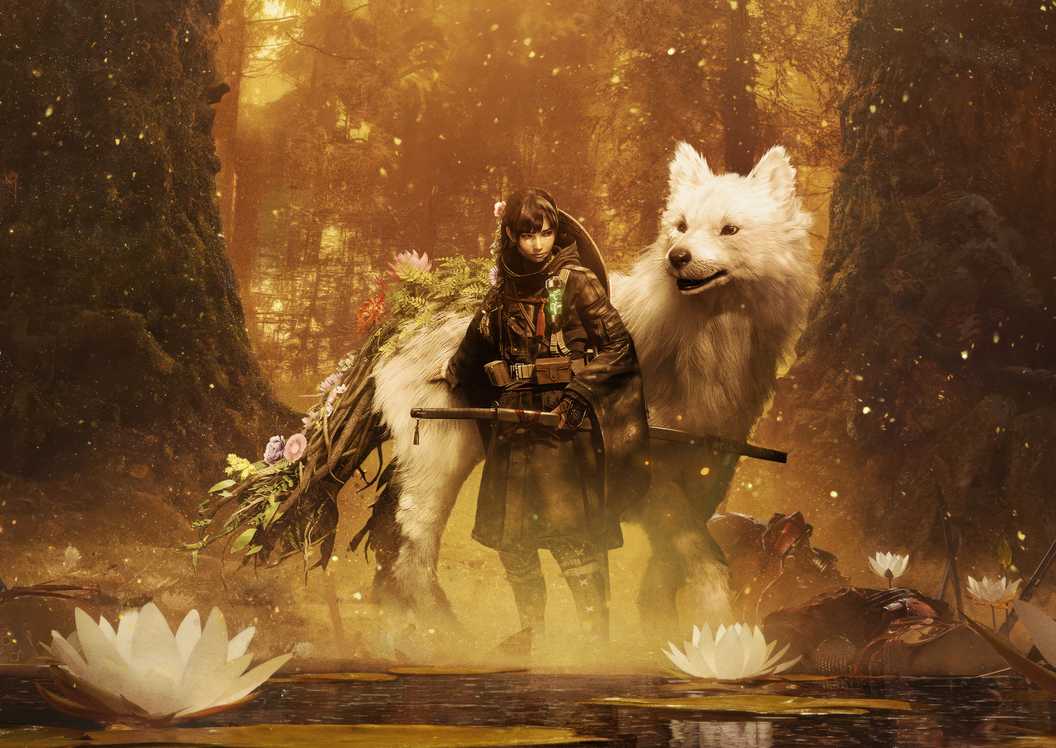
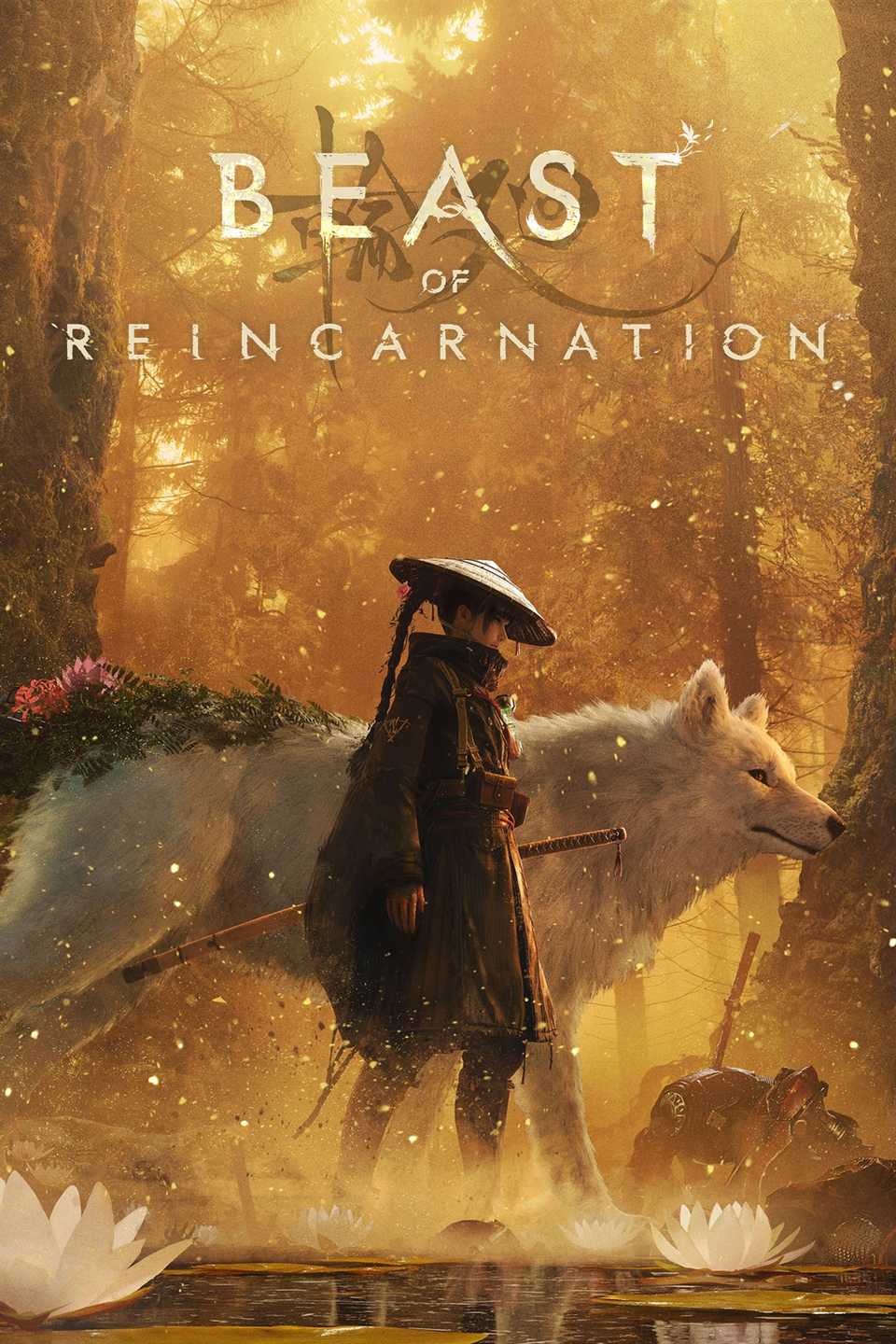
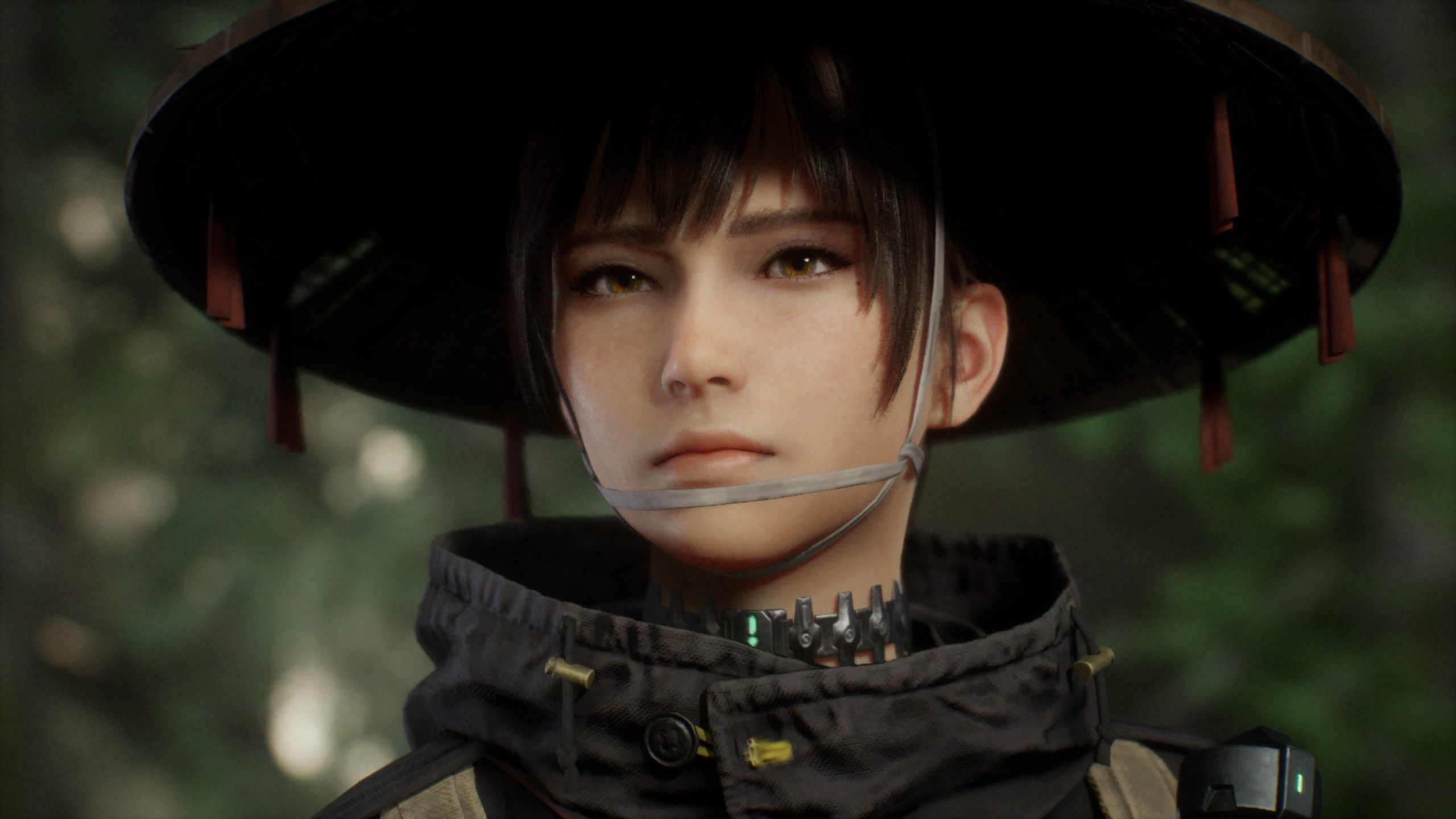
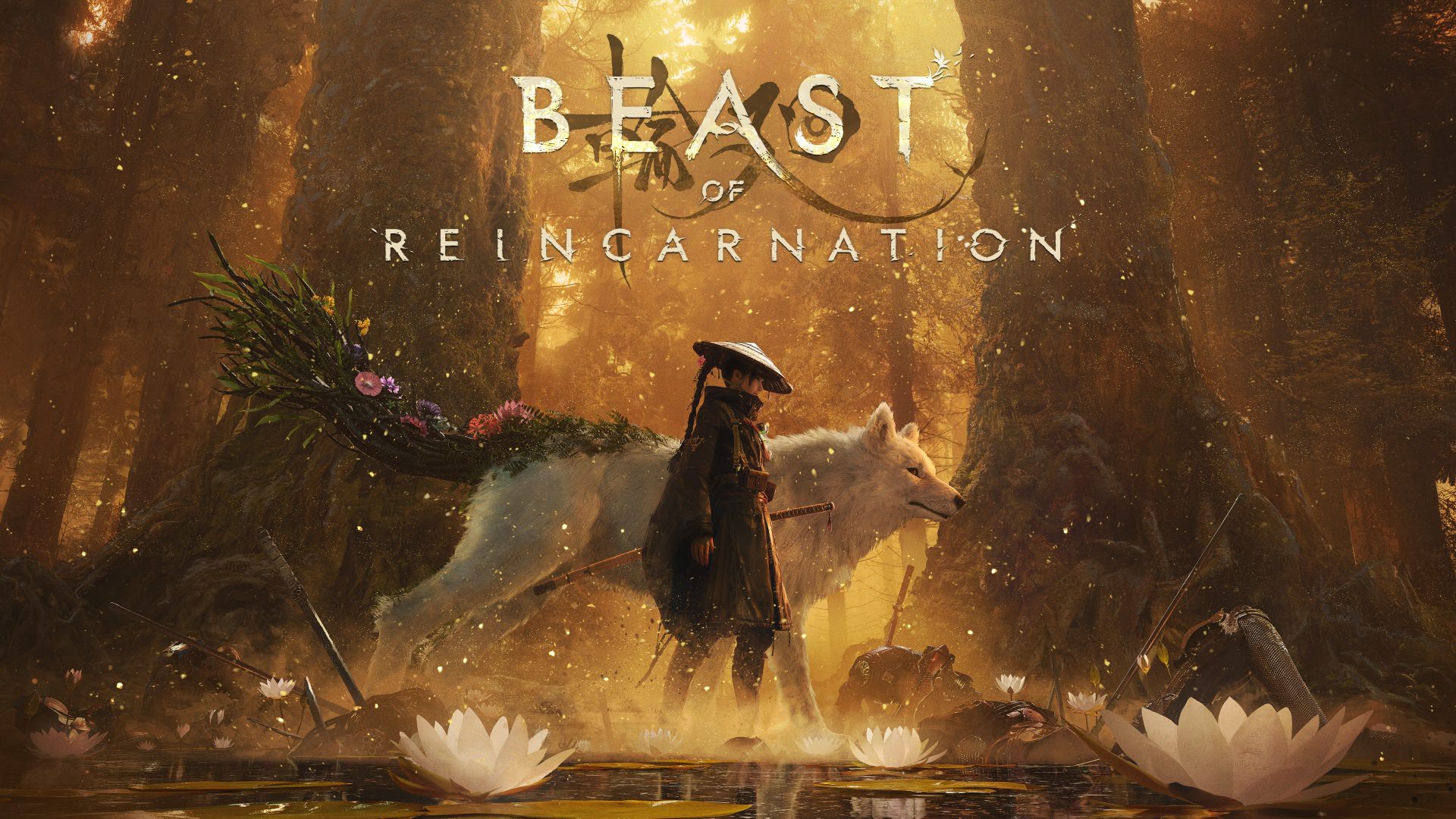
Game Freak announced Beast of Reincarnation in 2023 under the working title Project Bloom, its largest project outside the Pokémon franchise to date. Published by Fictions and released August 4, 2026 on PC, PS5, and Xbox Series X|S, the action RPG follows Emma, an 18-year-old Purifier shunned by her colony for a disease called the Blight. Her mission: cross a ruined Japan in the year 4026, defeat powerful creatures called Nushi, and reach the Capital to destroy the Beast of Reincarnation. She's joined by Koo, a Blight-afflicted dog; Kagura, a young servant from the Ogouchi colony; and Brad, an old man who drives the Cleanse Walker and knows more than he admits. Critics at Vice scored it 9.5, calling it one of the best action RPGs in years; GameRant gave it a 5, calling it a missed opportunity. The 73 Metascore places it squarely in divisive territory — a game some love, others find wanting.
Parries Fuel a Turn-Based Dog
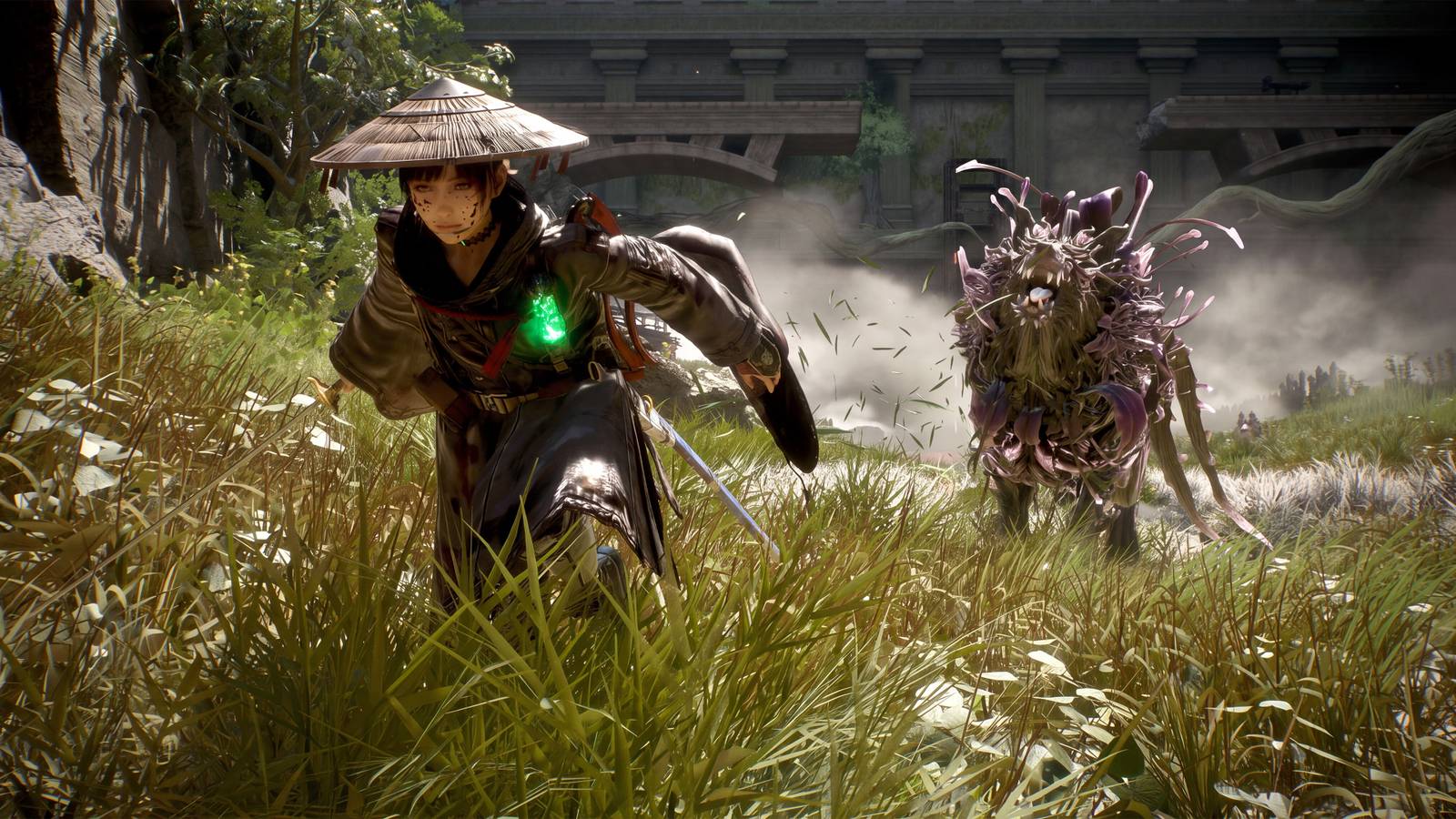
Combat in Beast of Reincarnation splits the difference between character action and command menus. Emma wields swords with parry-activated effects; each successful parry charges Koo's Bloom Arts gauge, starting at 4 FP. Pressing Triangle or Y opens a slow-time menu where the player selects from customizable abilities Koo executes automatically. At the outset, parrying is the only way to restore FP, forcing a defensive posture against early enemies. Defeating Nushi unlocks new combo strings and finishers for Emma, plus additional Bloom Arts for Koo. Spirit Stones grant passives — attack boosts, FP recovery on weakness hits, expanded stamina pools — while Koo learns crafting recipes and support skills from found books, up to six slots depending on rapport with Emma. Modifiers in the skill tree layer status afflictions and conditional bonuses onto Bloom Arts, letting players chain afflictions into devastating follow-ups. The system never reaches the refinement of Final Fantasy VII Remake's hybrid combat, but by the mid-game, flinging Bloom Arts while Emma finishes weakened enemies feels like second nature.
Linear Maps, Vertical Ambition
Game Freak opted out of open-world design entirely. Beast of Reincarnation moves through mid-sized, linear maps with strong verticality — Emma grows branches from her hair to create platforms and reach elevated areas, granting creative sequence-breaking potential. Optional zones branch off the main path but often hide nothing of value, a consequence of the game's relatively modest budget compared to modern AAA productions. The level design philosophy mirrors Sekiro: Shadows Die Twice, with a single primary route flanked by side areas and basic stealth mechanics layered in. Wccftech's benchmark testing on an i7-13700F with an RTX 4080 averaged 96 FPS at 4K with DLSS Balanced, but traversal stutters persisted during quick movement like grappling. Shader compilation stutters appeared only on first launch. The game ships with NVIDIA DLSS, AMD FSR 1 and 3, and UE5's TSR upscalers, though it reverts to FSR 1 on every restart and the image quality differences between modes are nearly indistinguishable.
The First Five Hours Problem
Every positive review of Beast of Reincarnation arrives at the same caveat: the opening stretches patience. Early combat offers a single combo string, noticeable attack delay, a dodge with minimal invincibility frames and heavy end lag, and a parry window so generous it throws off rhythm. Wccftech described the first five hours as unremarkable during play and much harsher in hindsight. Environments in this stretch lean repetitive — vegetation and ruined civilization recycled across zones — and enemy variety skews thin: Golems distinguished mainly by weapon type, Malefacts by origin species, with simple attack strings that are easy to memorize. Flying enemies add minor friction by requiring ranged weapons or specific Bloom Arts. The Hard difficulty mode, available from the start, partially addresses this by making missed parries consequential. But the real shift comes from progression itself: new finishers, expanded Koo slots, stat-enhancing meals Kagura prepares from Walker greenhouse ingredients, and the interlocking build mechanics that turn formerly passive encounters into something genuinely satisfying.
NieR's Shadow, Miyazaki's Forest
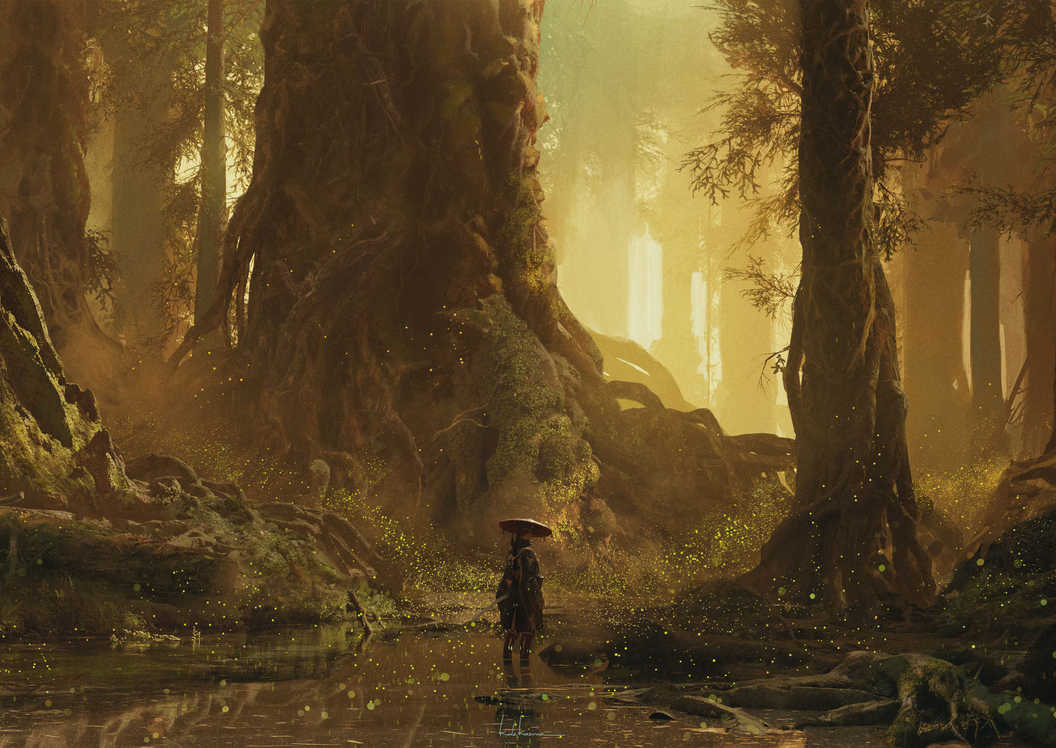
Beast of Reincarnation wears its influences openly. The Blight, the soul-deteriorating Golems, the ghost-like Violet only Emma can see — the NieR series by Yoko Taro looms large over the narrative structure and tone. The visual identity draws from Hayao Miyazaki's Princess Mononoke, with blighted rain causing trees to erupt from the ground mid-exploration, a feature Siliconera's reviewer praised for leaving them disoriented in a fitting way. Michiru Oshima's dreamy soundtrack occasionally evokes Monaca, the studio behind NieR's music. The roughly 30-to-42-hour journey moves at a deliberate clip: each chapter delivers both new mysteries and answers, with no filler side quests pulling focus from Emma's relationship with Kagura and Koo. Emma's emotional arc — cold, naive, inexperienced, gradually feeling human emotions for the first time — follows a familiar trope, but multiple reviewers found the pacing made the destination feel earned even when the climax leans on late-arriving lore exposition that crowds the emotional payoff.
A Foundation, Not a Verdict
The reception data tells a specific story: Vice's 9.5 and GamesRadar+'s 9 sit alongside GameRant's 5 and ComicBook's 5, with IGN, Game Informer, and Eurogamer clustering at 6. Steam reviews point to optimization complaints and perceived emptiness. But franchises have recovered from rougher launches. NieR debuted at a 67 Metascore before NieR: Automata reached 88 with PlatinumGames' combat overhaul. Killzone opened at 70 before Killzone 2 hit 91. Just Cause landed at 73 before Just Cause 2 climbed to 81. Beast of Reincarnation's positive reviews converge on a consistent set of strengths — the hybrid combat's mid-game payoff, the customization depth, the boss fights against Nushi, and the traversal abilities that make linear maps feel larger than they are. Its weaknesses are equally consistent: technical stuttering, limited enemy variety, repetitive environments, and a slow opening that tests commitment. Game Freak built something with clear mechanical identity. Whether it builds on that foundation or returns to Pokémon full-time remains the open question.
Source material: gamerant.com — this piece is based on that published source material.
Images