Indie Games
Garden Story: How a Grape Guardian's Quest Blends Community Aid and Rot Combat
Developer Picogram reveals the mechanics and inspiration behind this pixel-art RPG that merges adventure with social simulation.
What is Garden Story about?
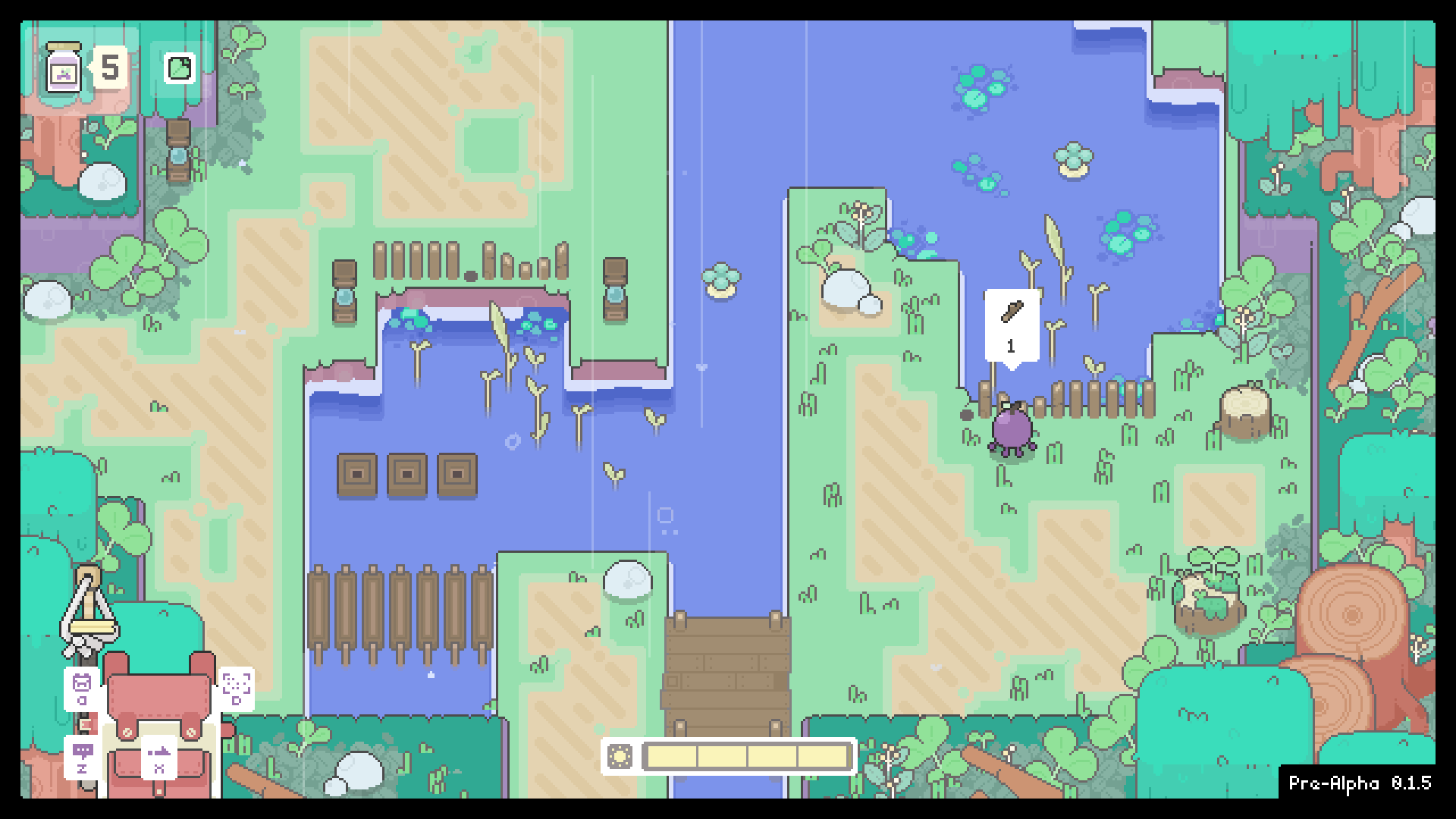
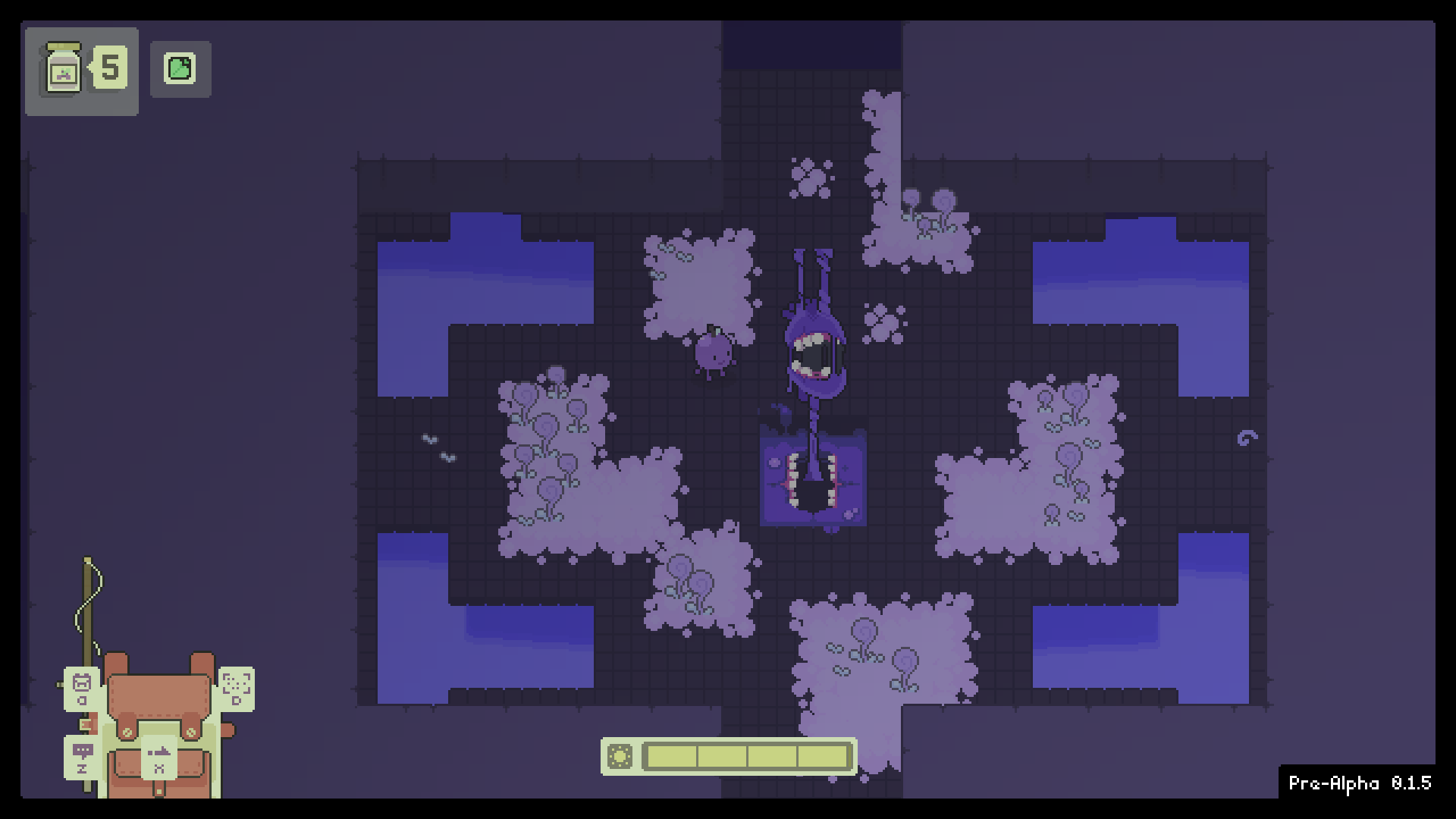
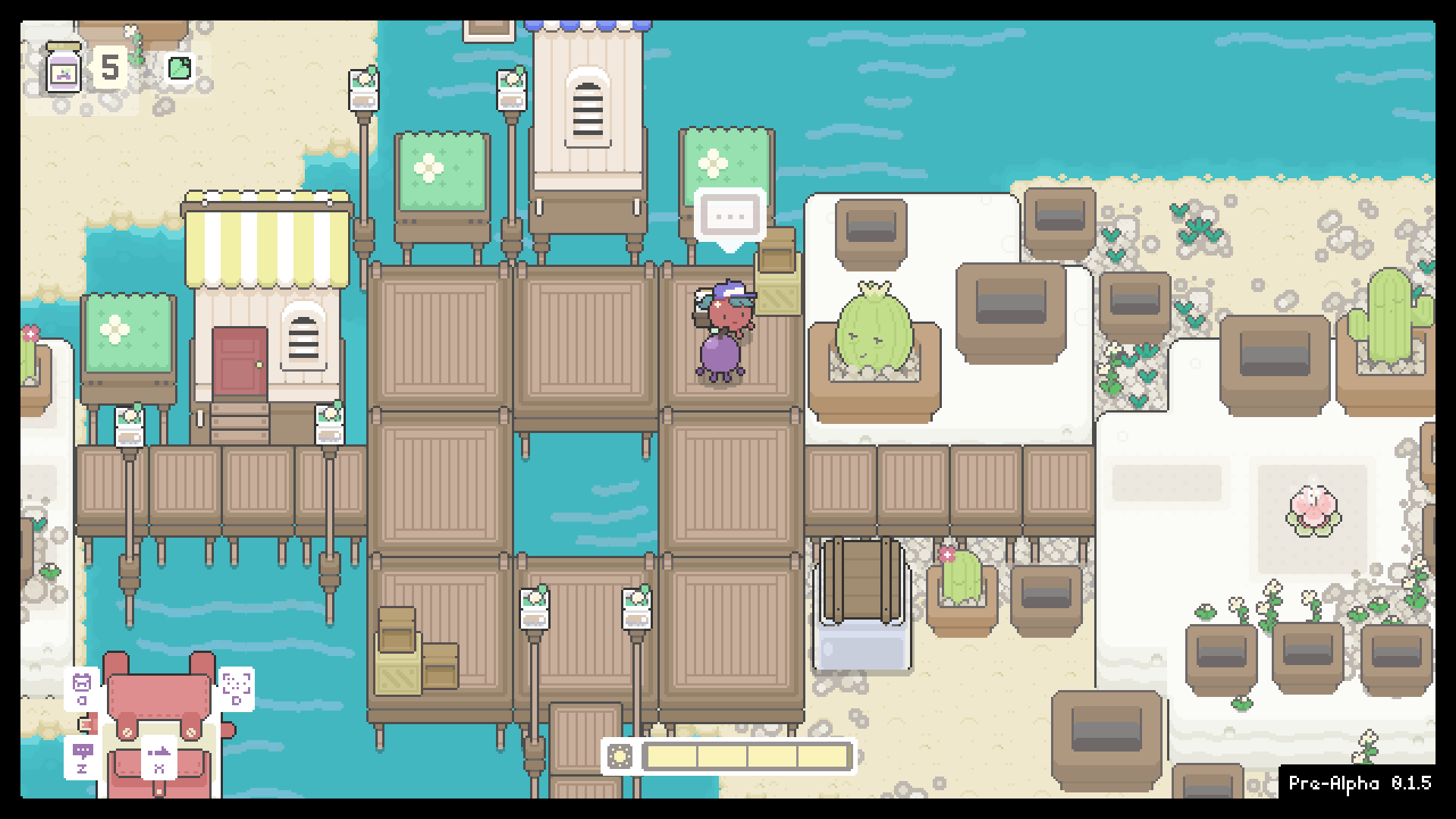
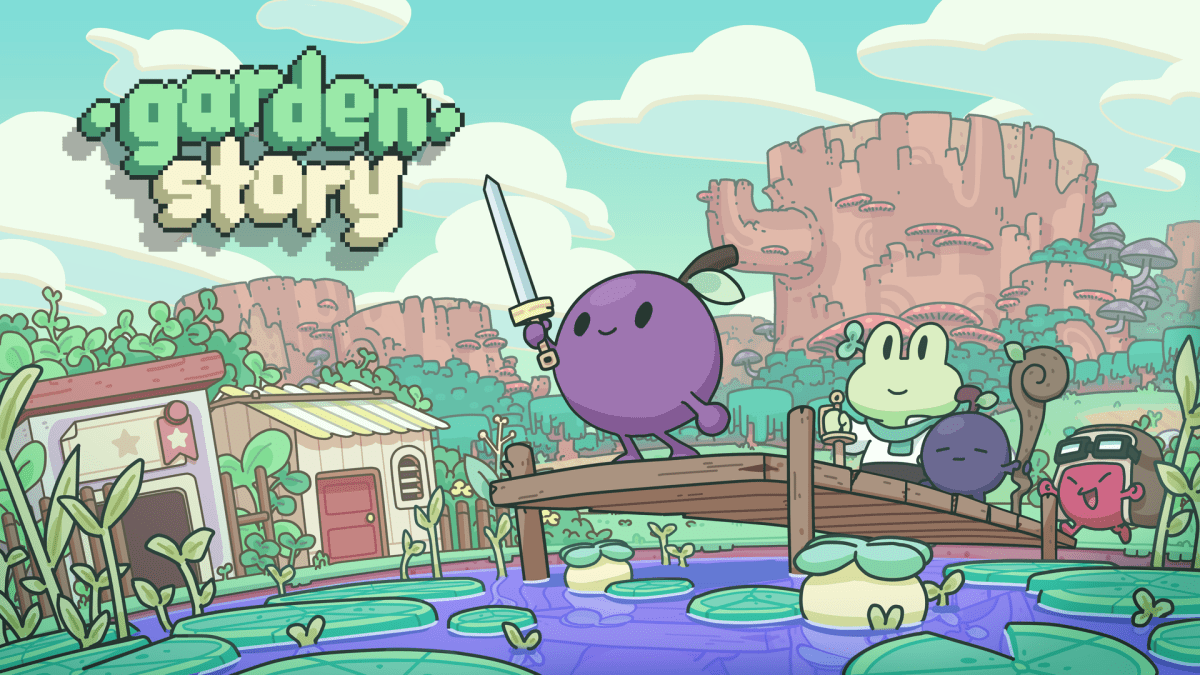
Garden Story follows Concord, an anthropomorphic grape who becomes a village guardian. The gameplay balances two main activities: aiding neighbors with tasks like resource procurement and defending against a corrupting force called the Rot. This blend of adventure RPG and social simulator elements was inspired by developer Picogram's goal to bridge traditional RPG heroism with real-life community heroism. Players can sink into different errands, from gathering materials in one village to exploring dungeons in another, and each task builds toward a stronger community. The game is primarily developed by Picogram, with Grahm Nesbitt composing the music, continuing their collaboration from titles like P.E. Noire and Planet Pain: Hyper-Conflict. It is scheduled for release next spring and available to wishlist on Steam.
Is there a party system with recruited characters in Garden Story?
Garden Story does not implement a traditional party system where characters are recruited for combat. Picogram considered the idea—he says a party system sounds great and he wonders what it would look like in a game like this—but decided against it mid-development because adding one would kill his scope. Instead, villagers help through non-combat roles that grow as the player invests in each community. Picogram's design holds that no person is good at everything, nor should they be expected to be. The player's role is to facilitate cooperation across The Grove, not to lead a fighting team. The game's enemies—the Rot—remain Concord's direct responsibility to handle. Villagers provide unique aid based on their individual roles and the needs of their village, and the support network feels personal rather than mechanical.
What inspired the world and character design in Garden Story?
The world design of Garden Story draws from thematic fun and cultural diversity, with The Grove organized into four areas representing different seasons and biomes. Names for these areas and characters come from real-life nomenclature, sometimes scientific names, sometimes other languages. Picogram pulled from different cultures because the game is about home, and homes always have so many different cultures. The character Concord, an anthropomorphic grape, is one example of this playful, inclusive vision. Each of the four biomes carries a distinct visual identity tied to its seasonal theme, and players who look closely will find naming conventions rooted in biology or foreign languages rather than generic fantasy. The world feels researched and layered, where even the smallest details—like a character's name—carry traces of real-world heritage.
How does pixel art benefit the development of Garden Story?
Pixel art was chosen for Garden Story because it enables quick iteration and adjustment of assets, crucial for handling numerous game elements. Developer Picogram describes it as a really organized way to do art, though he is quick to note it is never easy. The restrictions of working within a limited number of pixels are healthy for his creative process—they force efficient decisions and prevent over-detailing. In practice, this means Picogram can rapidly modify sprites and environments as the game's scope evolves, adjusting color palettes, animation frames, and tile sets without starting from scratch. The limited pixel count per asset also ensures visual consistency across the entire game, as every object and character adheres to the same technical constraints. Quick iteration matters when building a game with multiple villages and dozens of characters, each requiring their own distinct look.
What role does music play in Garden Story?
Music in Garden Story is composed by Grahm Nesbitt, who has a long-standing collaboration with Picogram on games like P.E. Noire and Planet Pain: Hyper-Conflict. Picogram describes the partnership as nothing short of magic. He calls himself a big music fan and says everything he makes is sparked by the music he listens to. After hearing Nesbitt's work, Picogram knew he had to make games for the music Nesbitt creates—making the composer's output a generative force in development rather than an afterthought. This dynamic reverses the typical order of game creation: Picogram designs visual and mechanical ideas around Nesbitt's compositions. The two have collaborated across multiple projects, and Picogram credits the music with shaping the creative direction of each game they've worked on together.
How did Picogram connect with Rose City Games and VIZ Media?
Picogram started Garden Story shortly before attending the Portland Indie Game Squad (PIGSquad) for the first time. PIGSquad is a nonprofit founded by Rose City Games co-founder Will Lewis, and it serves as a networking hub for indie developers in Portland. Picogram participated in PIGSquad's Summer Slow Jams and created the banner art for the 2018 event. He describes the jams as a time-pressured environment that clicked everything else he had learned into place—he had never been challenged to create in such finite time. That experience built the connection with Rose City Games, leading to their collaboration on Garden Story with publisher VIZ Media. Rose City Games and VIZ Media provide support while giving Picogram significant creative freedom over the project.
What creative control does Picogram have over Garden Story?
Picogram maintains significant creative freedom in developing Garden Story, describing himself as "MAD with power" to bring his smallest wants to fruition. He gets a lot of freedom, though he always consults with co-workers at Rose City Games on the bigger decisions, using them as a bouncing board and a much-needed guide in new territory. This balance allows for personal artistic expression while ensuring the project aligns with broader goals. The collaborative input from Rose City Games helps navigate development challenges without stifling Picogram's vision. Picogram's freedom extends to the smallest details—he can bring personal touches to the game that might not survive a more corporate process. The arrangement produces a game that carries Picogram's unique perspective, guided by a team that helps with the larger decisions.
Who is Picogram's favorite character in Garden Story?
Picogram's favorite character in Garden Story is all the little Rot oozes, the game's antagonistic force. He knows they're the enemy, but he loves them all. He even put code in them that makes them refer to each other as friends. This personal touch adds humor to the development process but creates a practical problem: it makes it that much harder for Picogram to debug combat on them over and over. The Rot oozes are designed with care despite being foes. That enemies call each other friends turns a standard antagonistic force into something more endearing, and it gives the Rot a character that players might notice during gameplay. Every encounter with the Rot carries this hidden affection, written directly into the game's code.
Source material: cliqist.com — this piece is based on that published source material.
Images