Game Freak
Game Freak Left Pokémon Behind and Built One of 2026's Sharpest Combat Systems
Beast of Reincarnation pairs Sekiro-style parrying with turn-based Bloom Arts in a mechanically rich action RPG that no one expected from the Pokémon studio.
The Pokémon Studio's Boldest Bet
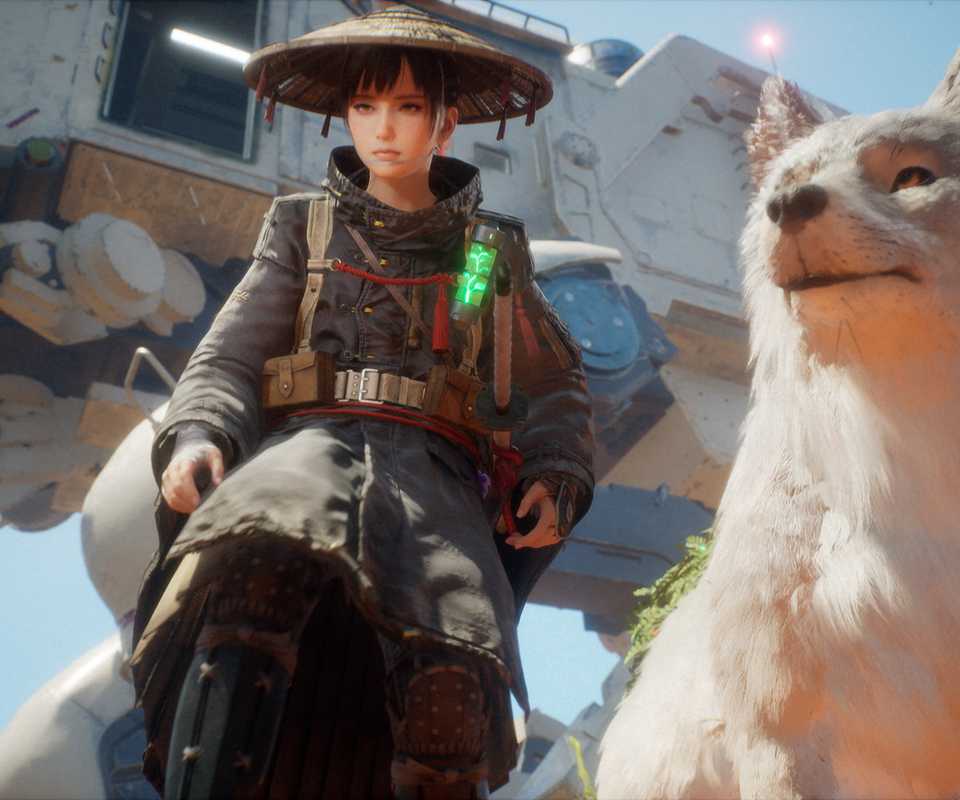
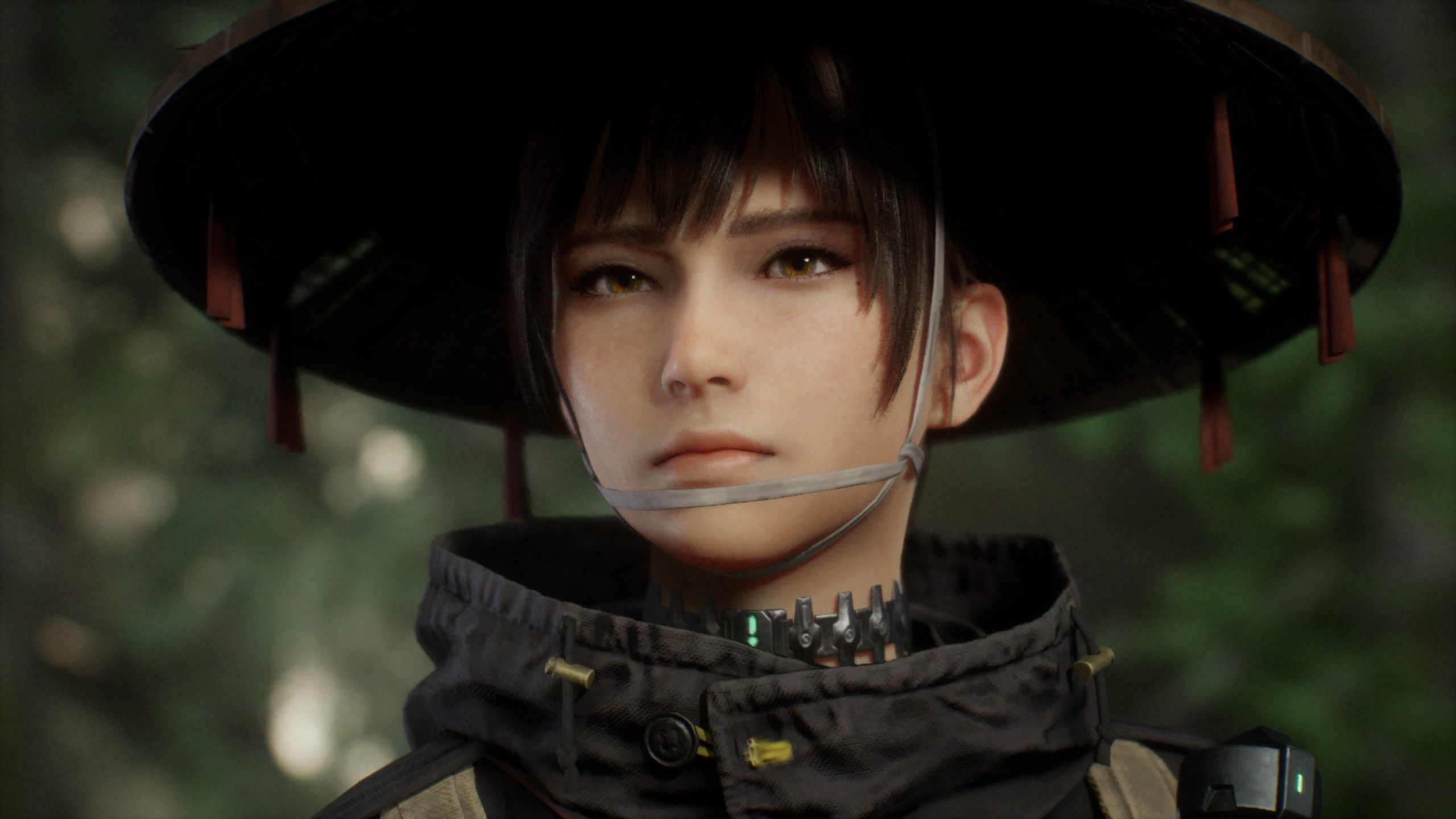
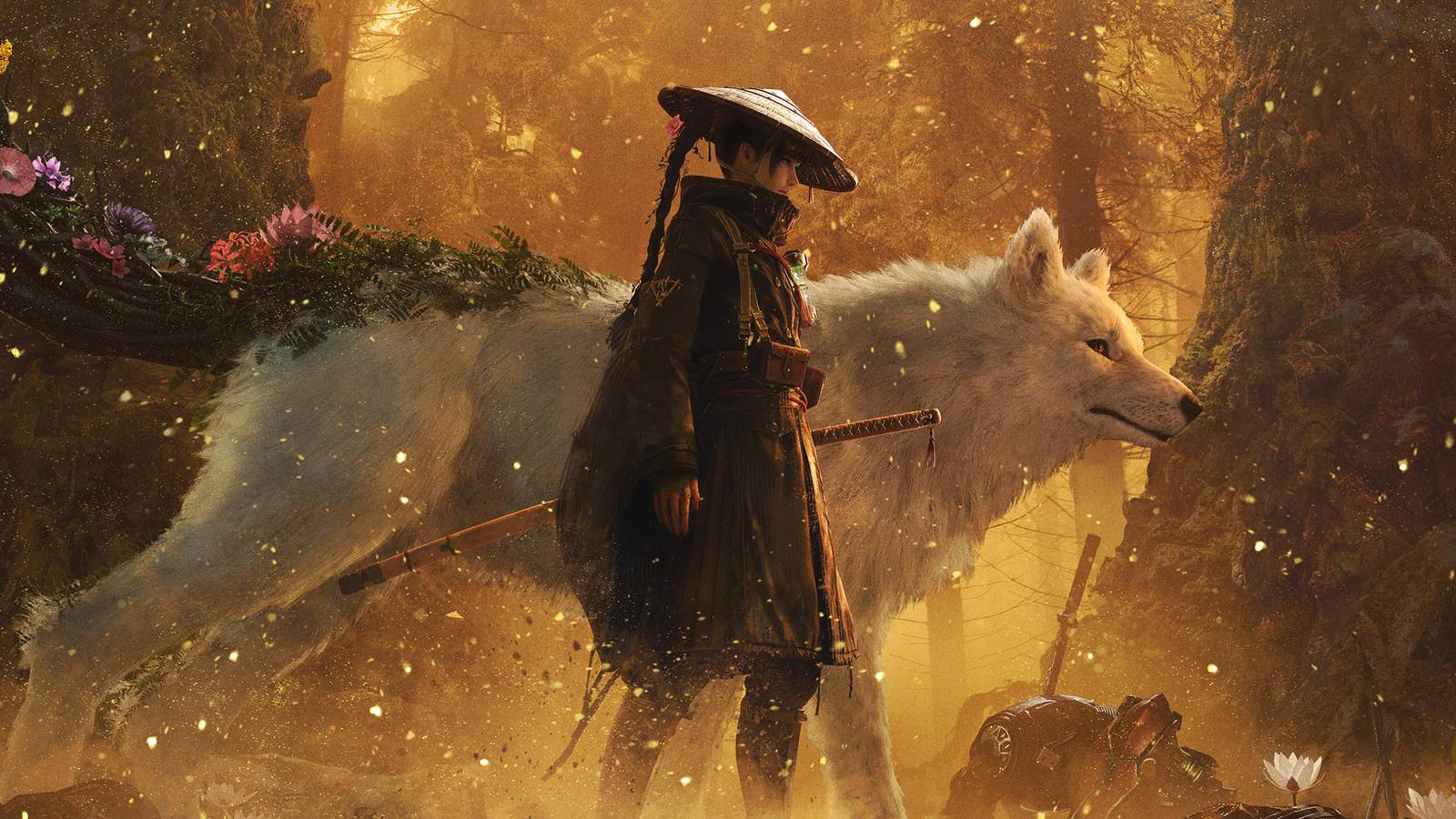
For three decades, Game Freak's identity was inseparable from Pokémon. The studio co-created the highest-grossing media franchise in history alongside Nintendo, and its side projects—Little Town Hero, Giga Wrecker, Tembo the Badass Elephant—never threatened to change that trajectory. Beast of Reincarnation is the studio's most ambitious departure: an action RPG set in a post-apocalyptic Japan circa 4026, where civilization has collapsed under a spreading corruption called the Blight. Players control Emma, an 18-year-old Purifier capable of sealing away the powers of corrupted creatures, accompanied by Koo, her blight-afflicted canine companion. Publisher Fictions launched the game on PC, PlayStation 5, and Xbox Series S|X in early August 2026. What arrived is a game whose combat system—parry-driven, layered with turn-based mechanics, and endlessly customizable—has drawn comparisons to Sekiro: Shadows Die Twice, NieR: Automata, and Final Fantasy VII Remake. The fighting, across every account, is exceptional.
Parry as the Engine of Everything
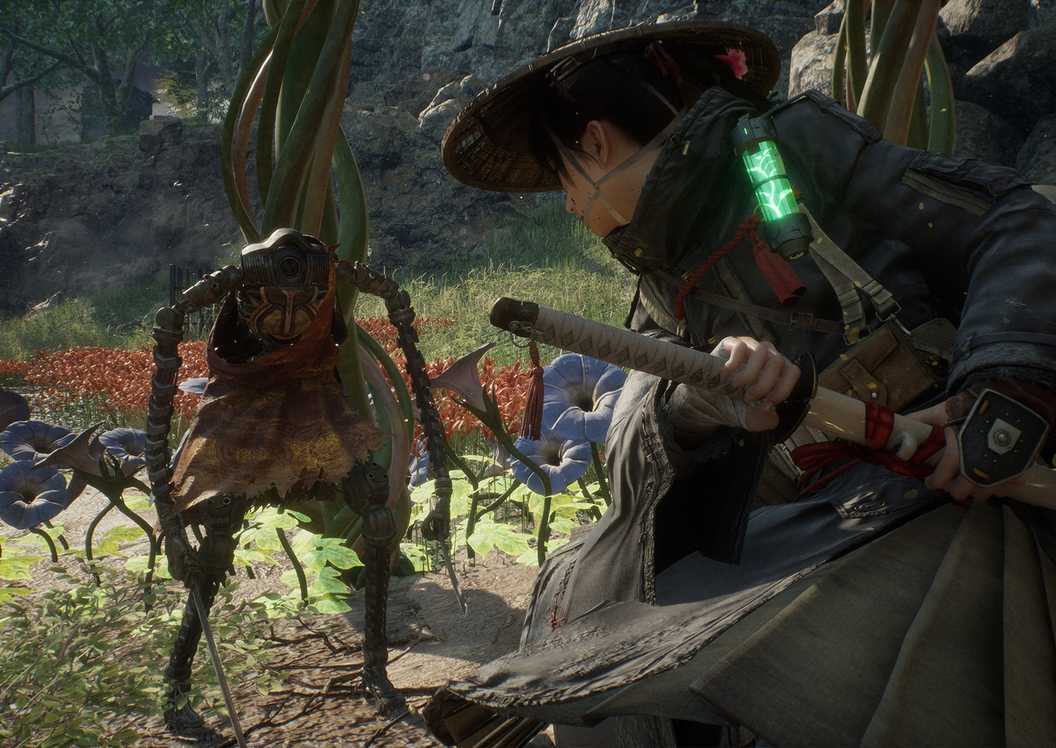
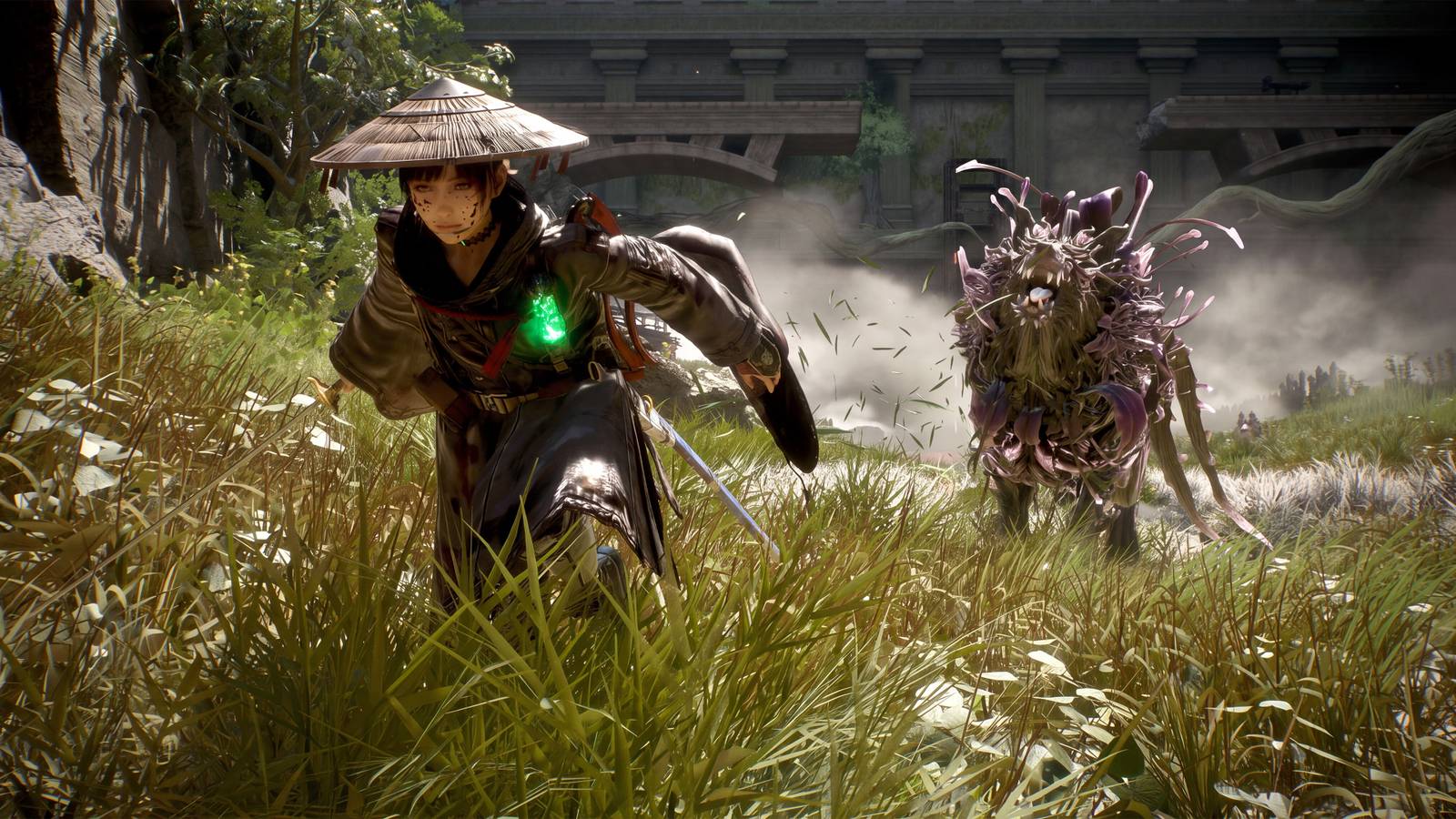
The combat loop revolves around a single input: the parry. Timing a successful deflection does more than negate damage—it builds Fluorescene Points (FP), the resource that fuels Koo's special abilities. At the start of the game, Koo begins each encounter with 4 FP, and parrying is the only way to restore them. This creates a rhythm where defense generates offense, pushing the player to stay aggressive while mastering enemy attack timings. Each enemy type carries specific parry windows that must be learned through trial and error. Emma wields a variety of blades, each with unique effects activated on a successful parry: some send slashes of fire or lightning outward, others inflict poison buildup or increased stagger damage. Swapping weapons between encounters to exploit specific weaknesses becomes a tactical consideration, a level of granularity unusual for the genre. The parry window starts generous—almost misleadingly so—which can throw off experienced Sekiro veterans expecting tighter timing. As enemy complexity escalates, that window tightens considerably, demanding real mastery.
Koo's Bloom Arts and the Turn-Based Layer
Koo introduces Beast of Reincarnation's most distinctive mechanic: Bloom Arts, special attacks unleashed through a turn-based command menu. Pressing Triangle or Y slows action to a crawl, presenting a menu where the player selects from Koo's available abilities. Each Bloom Art costs FP, tying the system directly back to parry proficiency. The turn-based layer draws clear inspiration from Final Fantasy VII Remake's ATB system, though Beast of Reincarnation applies it exclusively to the canine companion. Koo's customization deepens through books discovered during exploration, which teach new skills and unlock craftable items he uses automatically in battle. Equipping these into up to six dedicated slots—unlocked by raising rapport with Emma—allows for status-affliction combos that Bloom Art modifiers can then exploit. A modifier might grant Emma a damage bonus if a Bloom Art hits an enemy suffering from poison. When these systems click—flinging Bloom Arts as Emma finishes off weakened enemies—the rhythm feels like second nature. The action-meets-turn-based hybrid never reaches the polish of Square Enix's trilogy, but it carves out its own satisfying identity.
Build-Crafting That Rewards Investment
Emma's customization runs deeper than weapon selection. Spirit Stones confer passive effects ranging from simple attack and defense boosts to intricate perks: a chance to restore Koo's FP when hitting an enemy weakness with a ranged weapon, or a permanent increase to the starting Entanglement Gauge—the stamina equivalent used for blocking and unleashing Blade Arts and Finishers. Nushi, the massive bosses scattered throughout the world, unlock new combo strings, finishers with different areas of effect, and additional Bloom Arts for Koo upon defeat. The skill tree for Emma amounts primarily to combo finishers, but the interplay between swords, Spirit Stones, and Nushi Skills creates genuine variety. Character stats can be enhanced through a typical point allocation, but Beast of Reincarnation adds a secondary system: meals prepared by Kagura using ingredients harvested from the Cleanse Walker's greenhouse. Frequent trips back to the Walker become a strategic necessity before tackling tougher encounters. The build-crafting is straightforward on paper but central to the experience, and certain setups can make short work of Nushi bosses in satisfying fashion.
Bosses That Demand Adaptation
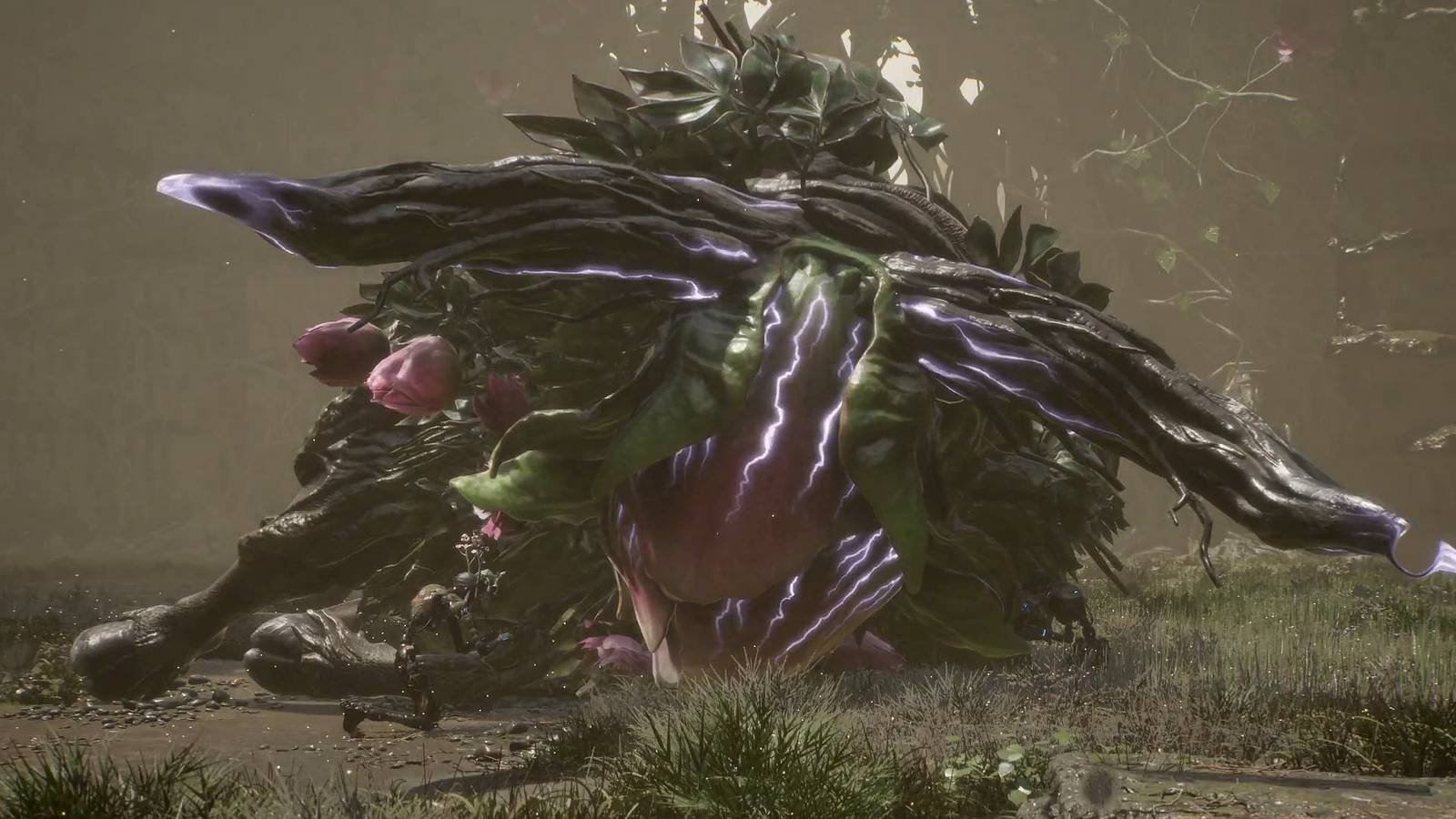
The Nushi—massive corrupted creatures from which Emma absorbs their strains—represent Beast of Reincarnation's combat peaks. Each Nushi fight features two phases, with timing variations within similar attack strings and large area-of-effect attacks requiring dodges rather than parries. One Nushi favors hit-and-run tactics, pelting attacks from a distance and forcing the player to anticipate movement and trigger Overdrive mode at precise moments. Visual design for the Nushi draws on the game's botanical corruption theme, with vegetation and organic matter fused into mechanical and biological forms—a creative flourish Game Freak executes well even when the broader enemy roster falls short. Limited enemy variety is a recurring issue. Golems are distinguished primarily by their weapons; Malefacts by the beasts they originated from. Enemy movesets lean toward simple, featuring only a couple of attack strings. Hard difficulty, available from the start, partially addresses the memorization ease by increasing damage output, making missed parries consequential. Flying enemies require ranged weapons or specific Bloom Arts, adding a wrinkle but not enough to mask the repetition.
Environments That Blur Together
Environmental design is Beast of Reincarnation's most visible shortcoming. The post-apocalyptic Japan setting delivers a consistent aesthetic—ruined civilization overtaken by vegetation—but that consistency becomes a liability across the game's roughly 30-hour runtime. Early regions like Ogouchi's countryside and rice fields feel authentic, and the massive valley between Kanto's walls leading into an underground network with waterfalls is a spectacle. But later regions pare back exploration in favor of more straightforward layouts, making the opening zones shine in comparison. Almost every area draws from the same template of crumbling buildings, reservoirs, and colonies, and the repetition dulls the otherwise strong art direction. Optional areas exist throughout—Koo alerts players to nearby valuables, strongboxes, and hidden items—but many lead to nothing worthwhile. The open structure gives players room to move, yet the lack of environmental storytelling leaves the spaces feeling underutilized. Every Charm, vegetable, and recipe book feels worthwhile during exploration, but the visual sameness undermines the sense of discovery that the first few regions establish.
Source material: hardcoregamer.com — this piece is based on that published source material.
Images