Game Freak
Beast of Reincarnation Makes You Parry to Earn Your Dog's Best Attacks
Game Freak's first major non-Pokémon project layers Sekiro-style deflects over a command-menu companion system, but critics say the real payoff arrives after hour five.
What is Beast of Reincarnation?
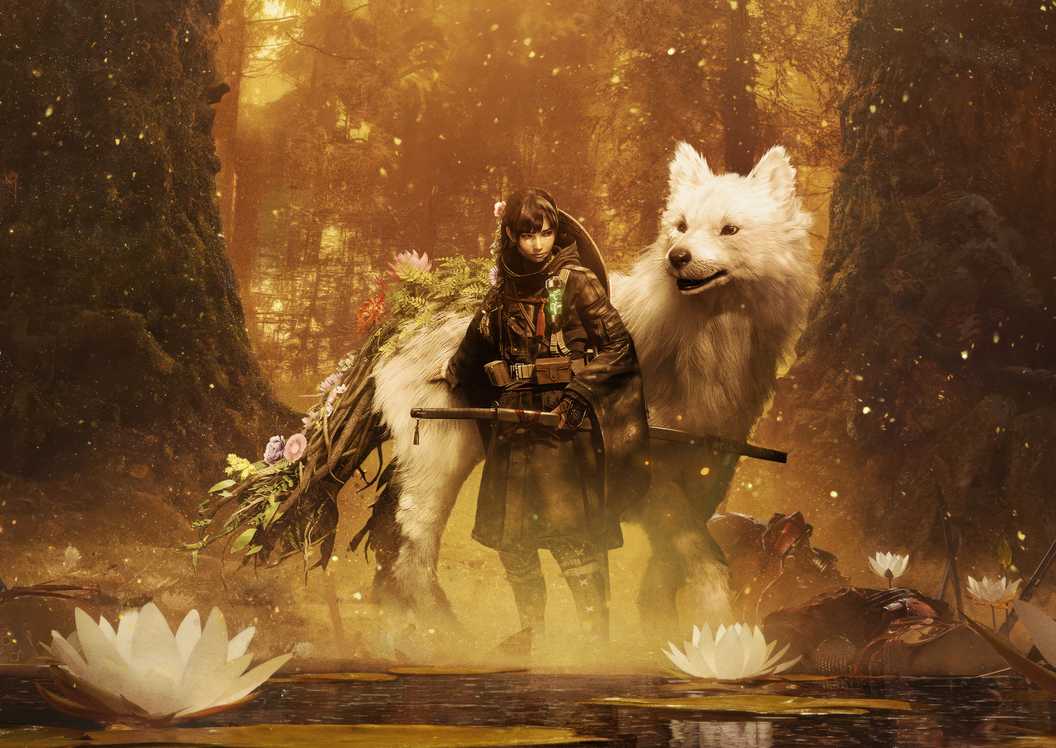
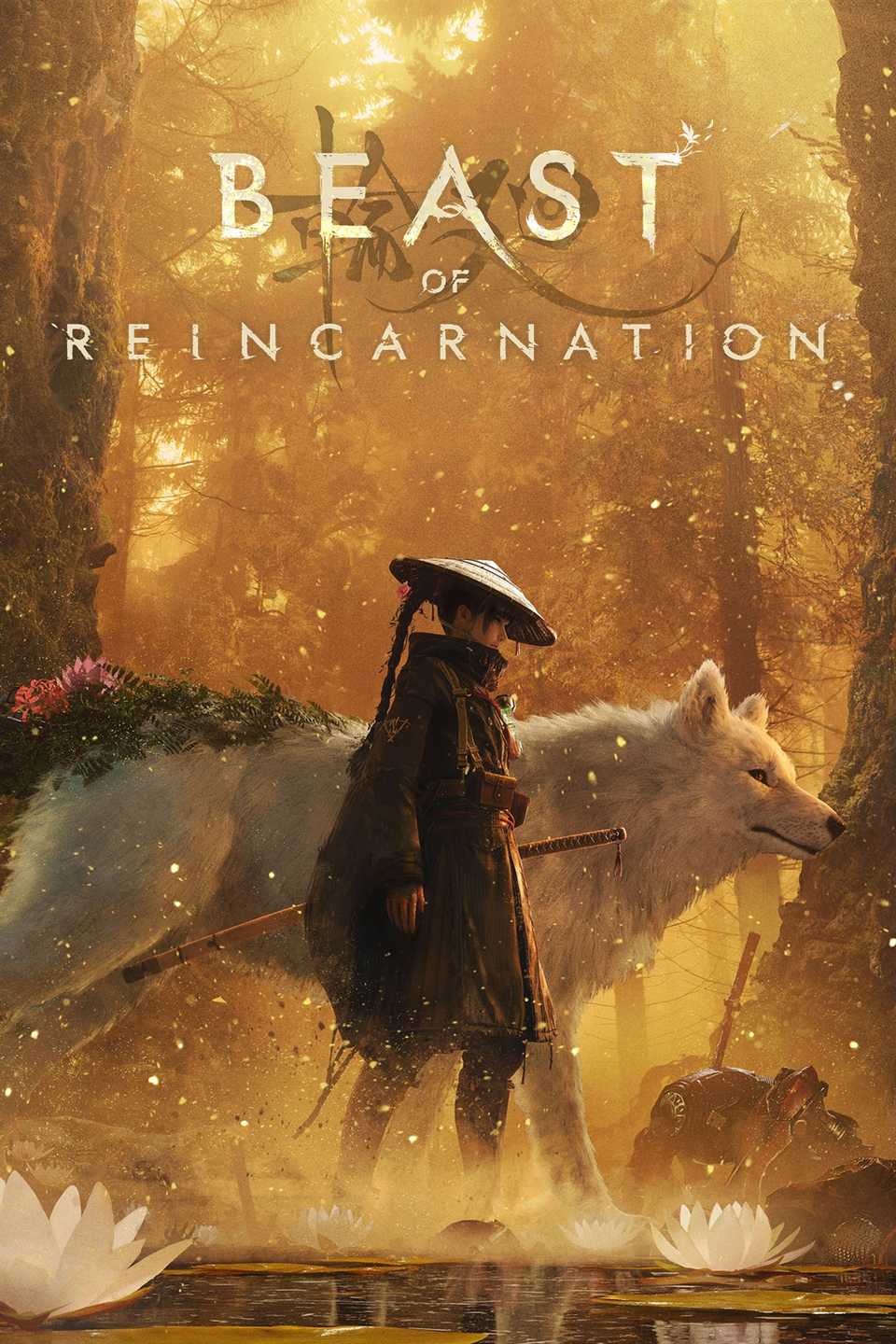
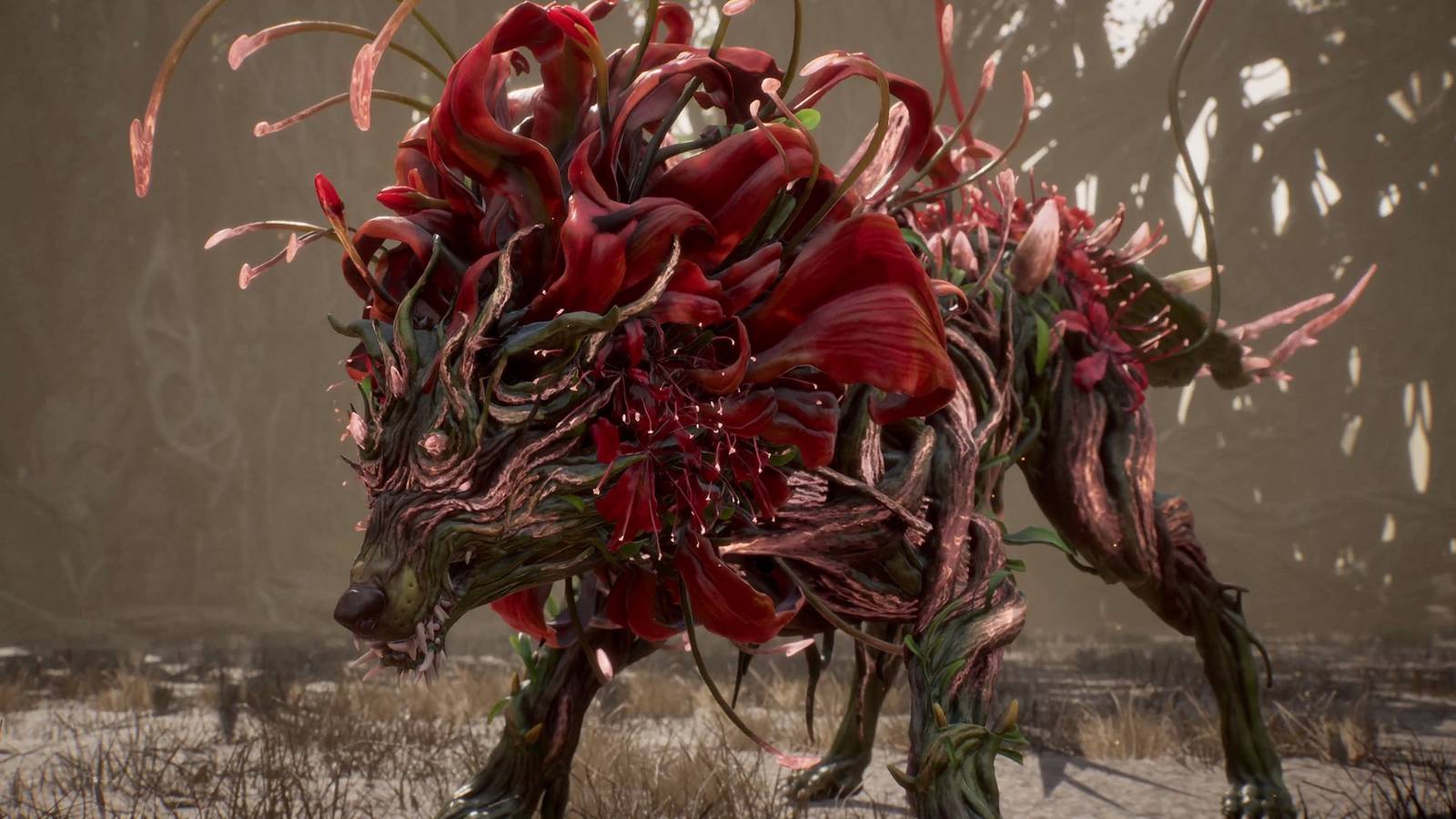
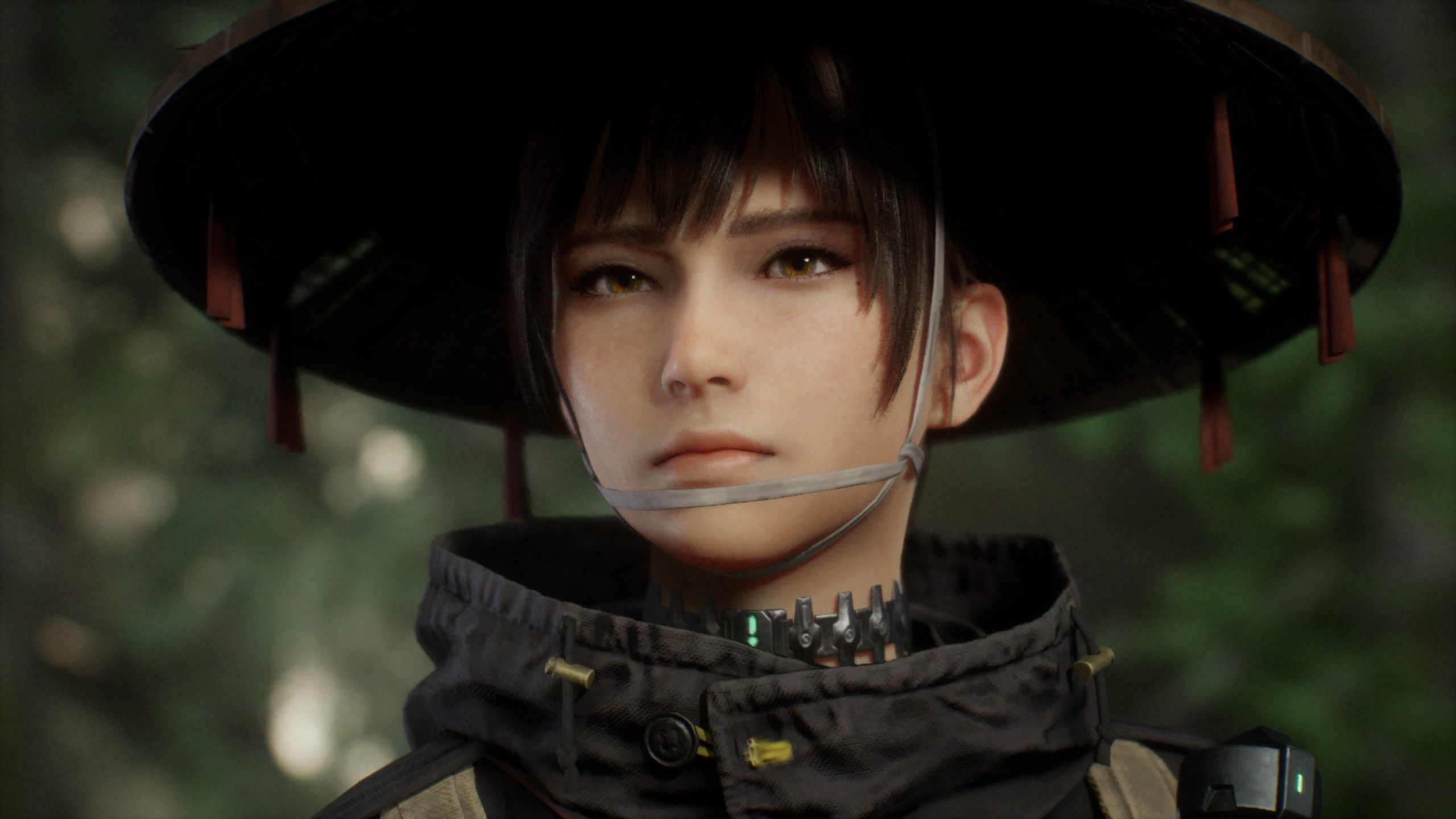
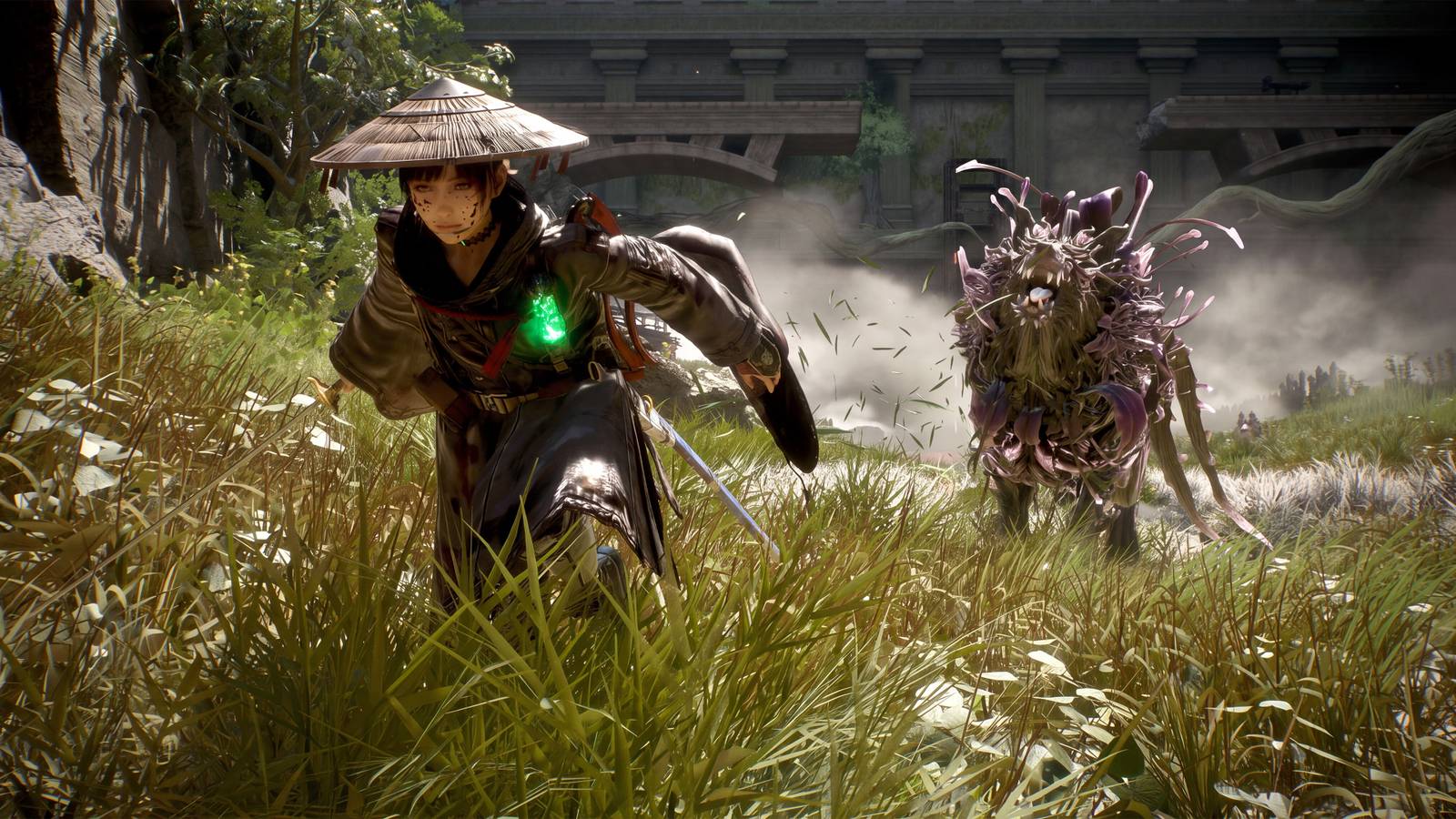
Beast of Reincarnation is a linear action RPG set in the year 4026, following Emma, an 18-year-old Purifier shunned by her Ogouchi colony for carrying the Blight — a corruption that destroyed civilization and left humanity's remnants trapped in deteriorating steel Golems. Emma journeys through ruined Japan toward the Capital with her Blight-afflicted dog companion Koo, a young servant named Kagura, a mysterious spirit called Violet, and an enigmatic mentor named Brad who drives a mobile base called the Cleanse Walker. Along the way, she defeats powerful creatures called Nushi, absorbing their abilities, to reach and destroy the titular Beast of Reincarnation. The game launched on August 4, 2026 on PC via Steam, PlayStation 5, and Xbox Series X|S, published by Fictions with Game Freak handling creative direction. Players can expect roughly 30 to 42 hours of playtime depending on how much optional content they pursue.
How does combat work?
Combat pairs real-time swordplay with a command-menu companion layer. Emma deflects enemy attacks in real time, and each successful parry fills Koo's Flower Points gauge, which begins each encounter at 4 FP. Pressing the Triangle or Y button slows action to a crawl and opens Koo's menu, where players spend FP on Bloom Arts — special attacks selected from a customizable list. The Entanglement Gauge governs blocking, Blade Arts, and Finishers, functioning as a stamina resource separate from FP. Early on, Emma has only a single combo string, a dodge with minimal invincibility frames and noticeable end lag, and a parry window wide enough to feel imprecise. Defeating the first Nushi unlocks new combo strings, finishers, and Bloom Arts, after which the combat loop opens considerably and the interplay between parrying and commanding Koo begins to feel rewarding.
How do Koo's Bloom Arts work strategically?
Koo's Bloom Arts overlay a command menu onto active combat. Pressing Triangle or Y freezes the fight and presents a list of equipped abilities, each costing FP earned through Emma's parries. Koo can equip up to six items depending on his rapport level with Emma, drawn from books found during exploration that teach him skills and item-crafting recipes. He deploys these items automatically during battle — setting up status afflictions, for instance — that players then exploit through Bloom Art modifiers unlocked via the skill tree. These modifiers add secondary effects: one might recover action points if the Bloom Art hits an enemy already suffering from a status condition, while another activates Emma's sword ability at reduced cost. Pairing the right automatic setup with the right manual command creates chain reactions that can dismantle even boss encounters efficiently when the correct loadout is in place.
What customization options are available?
Character building operates on two interconnected tracks. Emma's equipment centers on swords that each carry a special effect triggered on her parry timing, plus Spirit Stones granting passive bonuses — ranging from flat attack and defense boosts to specialized effects like a percentage chance to restore Koo's FP when hitting an enemy weakness with a ranged weapon, or permanently increasing the starting values of the Entanglement Gauge and FP pool. Koo's customization relies on books found throughout the world that teach him skills and crafting recipes for consumable items he deploys automatically. Beyond equipment, both characters enhance stats through a point-allocation system familiar from Soulslikes and through meals prepared by Kagura at the Cleanse Walker's greenhouse using harvested ingredients. This meal system forces regular returns to the Walker before tougher encounters — base visits become a strategic necessity, not idle downtime.
How does it perform on PC?
Technical performance is one of the game's weaker points. Benchmark testing on a rig with an Intel i7-13700F, RTX 4080, and 32GB RAM at 4K resolution with NVIDIA DLSS in Balanced Mode and a mix of high and max settings produced an average of 96 FPS and a 1% low of 53 FPS. Shader compilation stutters appeared only during the first session, but traversal stutters persisted throughout — particularly during grapple-launch movement — though they rarely pushed the frame rate below 60 FPS on that hardware. Players with mid-range systems should expect more noticeable dips. The upscaler implementation is flawed: the game reverts to AMD FSR 1 on every relaunch, overriding any DLSS selection, and the visual differences between DLSS, FSR 1, FSR 3, and TSR are nearly indistinguishable despite minor performance variance. Ray tracing is available but offers only marginal lighting and reflection improvements.
What did critics think?
Critical reception landed in mixed territory. Beast of Reincarnation holds a 73 Metascore on Metacritic and a 76% aggregate on OpenCritic. Vice scored it a 9.5 out of 10, calling it one of the best action RPGs in years and singling out the combat and build synergy. GamesRadar+ awarded a 9 out of 10, praising combat depth and storytelling. Famitsu gave it 35 out of 40. At the other end, GameRant and ComicBook each delivered a 5 out of 10, with GameRant's Dalton Cooper describing it as an "intriguing detour" that "sadly doesn't live up to expectations." The most consistent praise targeted the combat's originality and the NieR-meets-Princess Mononoke aesthetic. The most consistent complaints centered on a sluggish opening stretch, limited enemy variety, repetitive environments, and technical roughness. Most critics agreed the foundation is promising but the execution lacks the polish expected from the studio behind Pokémon.
Is it a Soulslike?
Not exactly, though it borrows heavily from FromSoftware's Sekiro: Shadows Die Twice. The parry-centric combat, mid-sized maps with strong verticality, optional side areas, and basic stealth mechanics all echo that game's design philosophy. But Beast of Reincarnation is built for broader accessibility. Enemy movesets are simpler, with most foes running only a couple of attack strings that are easy to memorize. The generous parry window, while initially disorienting for Sekiro veterans, lowers the barrier to entry. A Hard difficulty mode is available from the start for players wanting tighter consequences on missed deflects. Where the game diverges most sharply is in its Nushi boss design: these encounters feature two phases, timing variations within similar attack strings, and large area-of-effect attacks requiring dodges. They function closer to traditional action-RPG bosses and serve as the game's strongest moments alongside the build-crafting systems that let players dismantle them with the right preparation.
Can Game Freak build on this for a sequel?
History suggests a rough first entry doesn't doom a franchise. The original NieR scored a 67 Metascore, criticized for repetition and rough gameplay, before NieR: Automata reached an 88 by pairing those distinctive ideas with PlatinumGames' stronger combat and presentation. Killzone jumped from 70 to 91 between its first two entries. Red Steel climbed from 63 to 80, and Just Cause rose from 73 to 81. Beast of Reincarnation's mixed reception places it squarely in this company. Critics who responded most positively noted that the combat foundation, character-building depth, and narrative ambition are all present — the problems lie in execution, optimization, and enemy variety rather than core design. Game Freak's reliance on external partners for development, with the studio handling creative direction rather than full production, also suggests room for the team to deepen its involvement in a potential follow-up.
Source material: gamerant.com — this piece is based on that published source material.
Images