Action RPG
Beast of Reincarnation: Combat, Strategy, and Key Insights
A look at the action RPG's mechanics, boss fights, and technical performance from available accounts.
Parry-Centric Combat with Turn-Based Bloom Arts
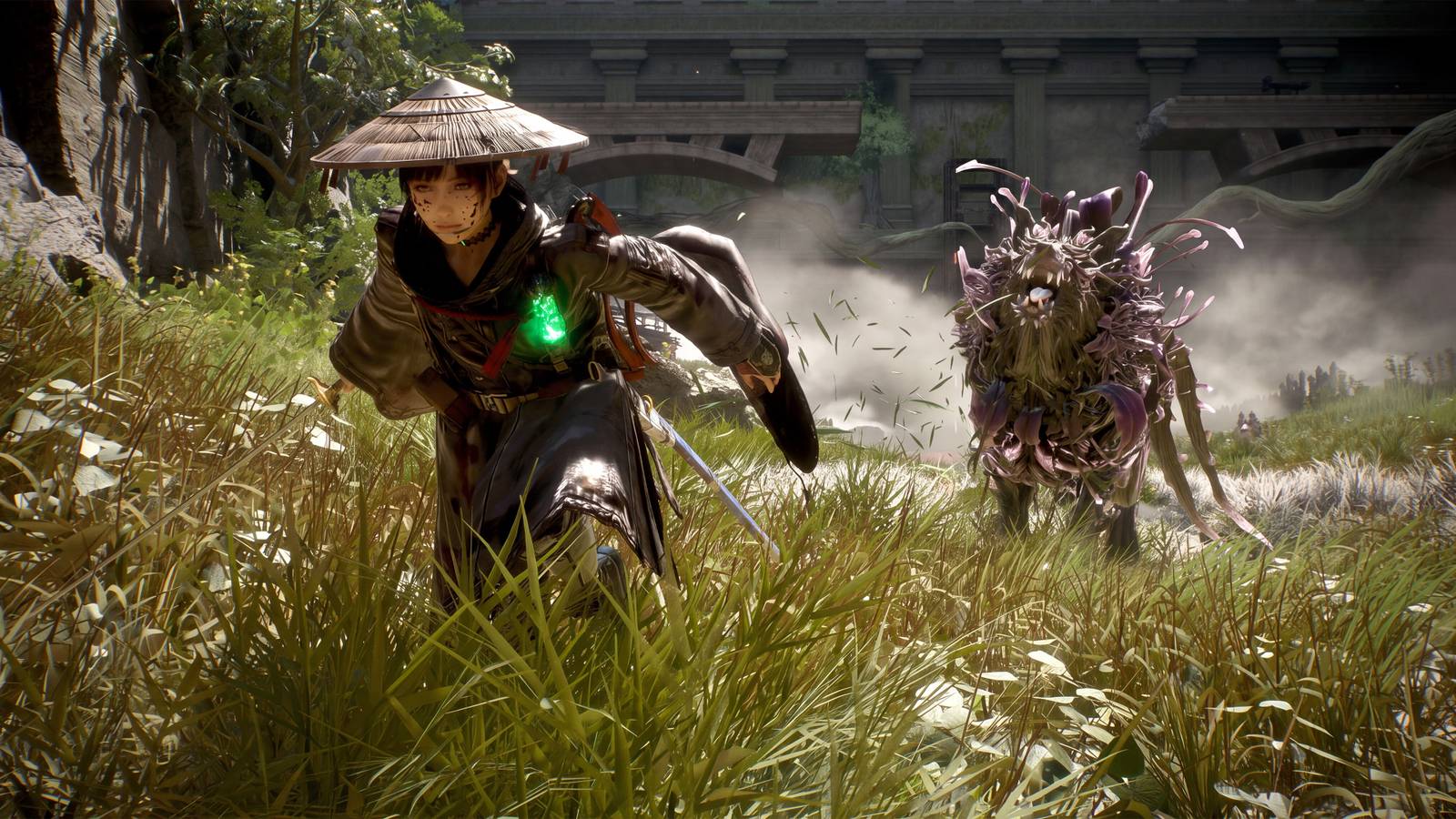
Combat in Beast of Reincarnation revolves around parrying, which fills Fluorescene Points (FP) for Koo's Bloom Arts—special attacks accessed via a turn-based menu slowed down with the Triangle/Y button. Early on, limited move sets and generous parry windows can feel clunky, but defeating Nushi bosses unlocks new strings and finishers. The Overdrive system allows strategic pauses to exploit enemy weaknesses, creating a rhythm that blends Sekiro-style action with Final Fantasy VII Remake's command tactics.
Crimson Malefact: A Solo Test of Dodging Skills
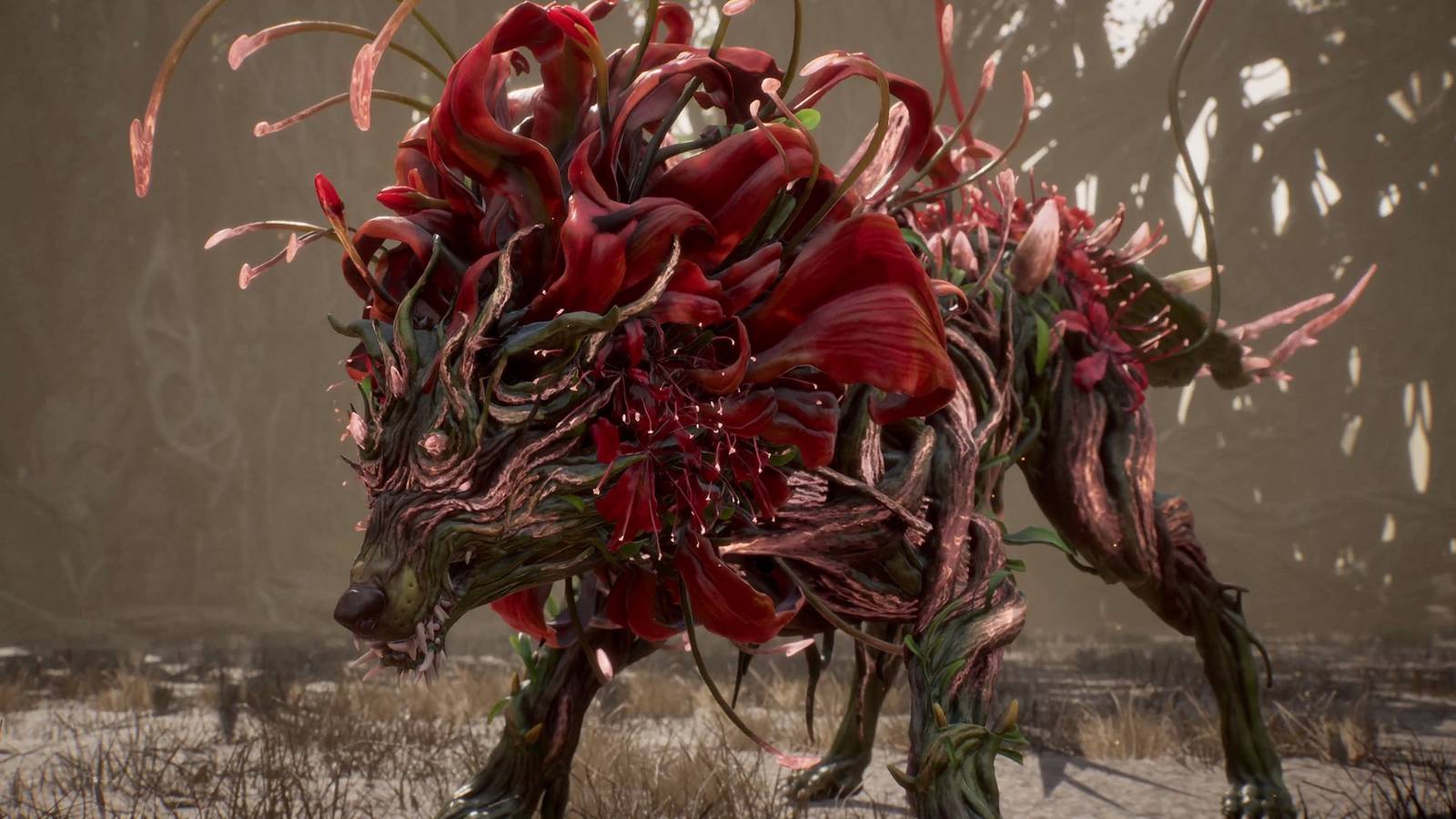
One standout fight pits Emma alone against the Crimson Malefact, as her companion Koo is absent. The boss employs a mix of parryable combos and unblockable attacks: a quick backflip that requires immediate dodging, and a rock throw effective at any range. A mid-fight cutscene reveals the creature's nature but doesn't alter the mechanics. Players must rely on precise timing for its vine extension and tail slam moves, making this encounter a pure test of defensive mastery.
Narrative Pull from NieR and Princess Mononoke
The story follows Emma, an 18-year-old Purifier journeying through a blighted Japan in 4026 to slay the Beast of Reincarnation. Strong influences from NieR's existential themes and Princess Mononoke's natural aesthetics shape a tightly paced narrative, with the roughly 30-hour journey maintaining momentum through frequent mysteries and resolutions. Character interactions, especially between Emma and her dog Koo, add emotional depth despite some uneven dialogue in English.
Linear Yet Expansive Level Design
Maps in Beast of Reincarnation are linear but feature significant verticality and optional areas that enhance exploration. Early regions like Ogouchi's countryside and Kanto's valley with underground networks offer extensive discovery, with Koo alerting players to valuables. Later stages narrow focus, but the initial open layouts encourage using Emma's grappling and movement abilities to uncover hidden items and enemy camps.
Customization via Spirit Stones and Bloom Arts Mods
Character building centers on Emma's swords, which activate effects on parry, and Spirit Stones that grant passives like increased FP or enemy weakness exploitation. Koo's Bloom Arts can be modified through skill-tree upgrades and equipped with items found in exploration, enabling status affliction combos. Meals prepared by Kagura using greenhouse ingredients further boost stats at the Cleanse Walker's rest stops.
Enemy Variety and Nushi Boss Encounters
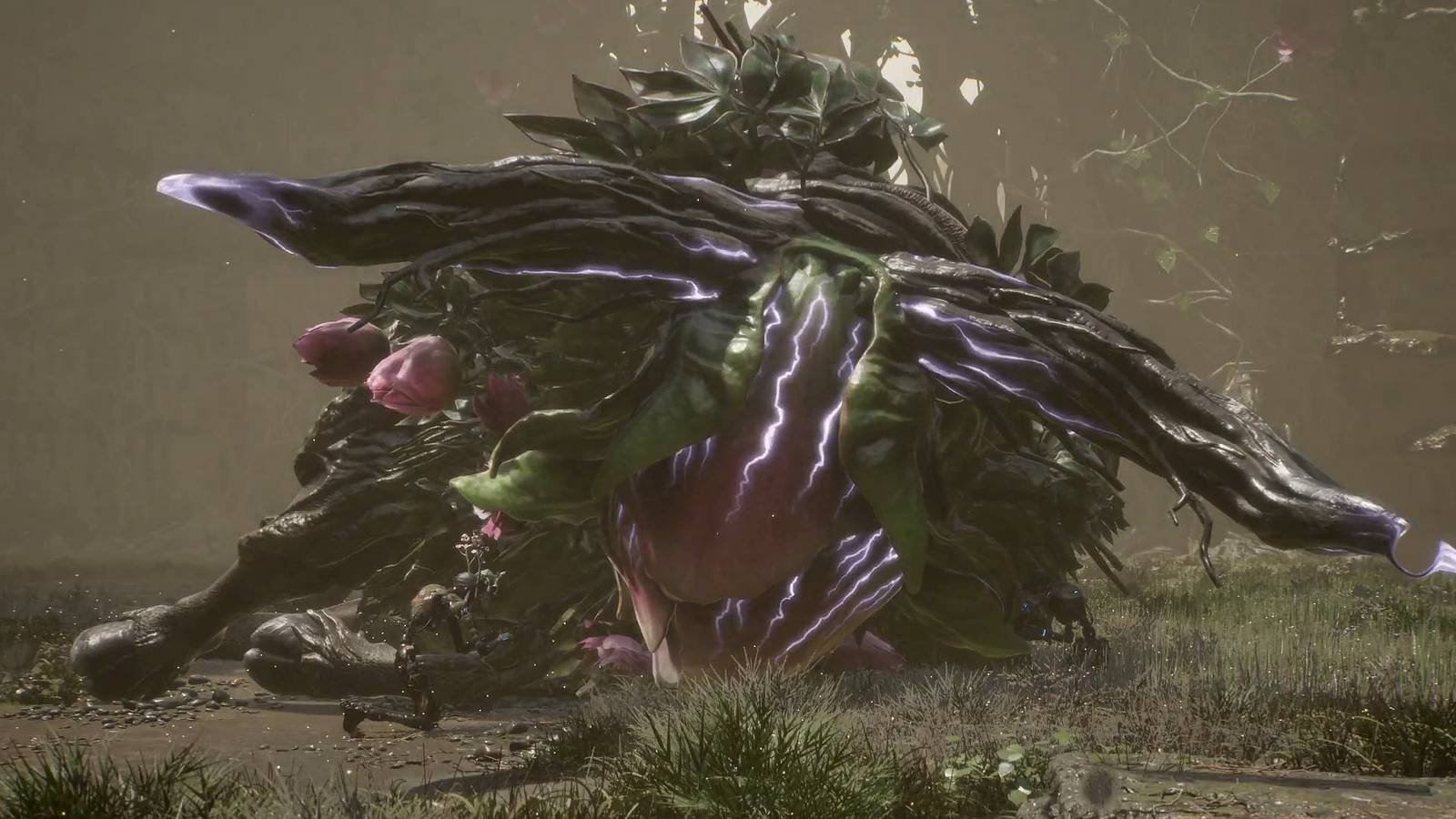
Enemy design includes Golems distinguished by weapons and Malefacts based on beasts, with Nushi bosses providing epic two-phase fights. These large foes feature timing variations and area-of-effect attacks, requiring build optimization to exploit weaknesses. While enemy variety is limited, Nushi battles highlight the combat system's depth, especially when using Nushi Skills and Bloom Arts modifiers for status effects.
Technical Performance Stumbles on PC and PS5
On PC, benchmark tests with an i7-13700F and RTX 4080 at 4K averaged 96 FPS but suffered traversal stutters during quick movement. The PS5 version maintains 60 FPS in performance mode but drops in areas with water and shadows, with foliage pop-in and distant detail loss. Shader compilation stutters appear on first launch, and upscaler implementations have quirks, like reverting to AMD FSR 1 on restart.
Source material: hardcoregamer.com — this piece is based on that published source material.