Insta360
Two Cameras, One Pocket: Insta360's Luna Ultra Bets Big on a Dual-Lens Compact
At $769.99, Insta360's first-generation Luna Ultra pairs a 1-inch sensor with a 1/1.3-inch telephoto and a detachable OLED monitor — and the result is a compact camera that punches well above its size class.
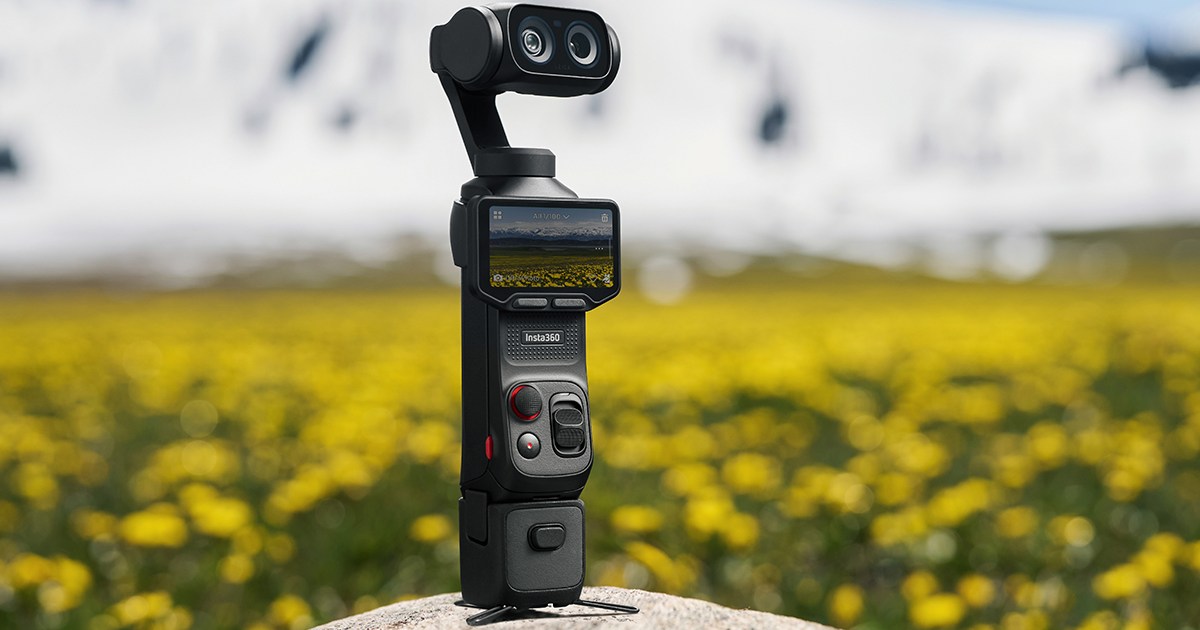
A Dual-Lens System Built for Two Kinds of Shooting
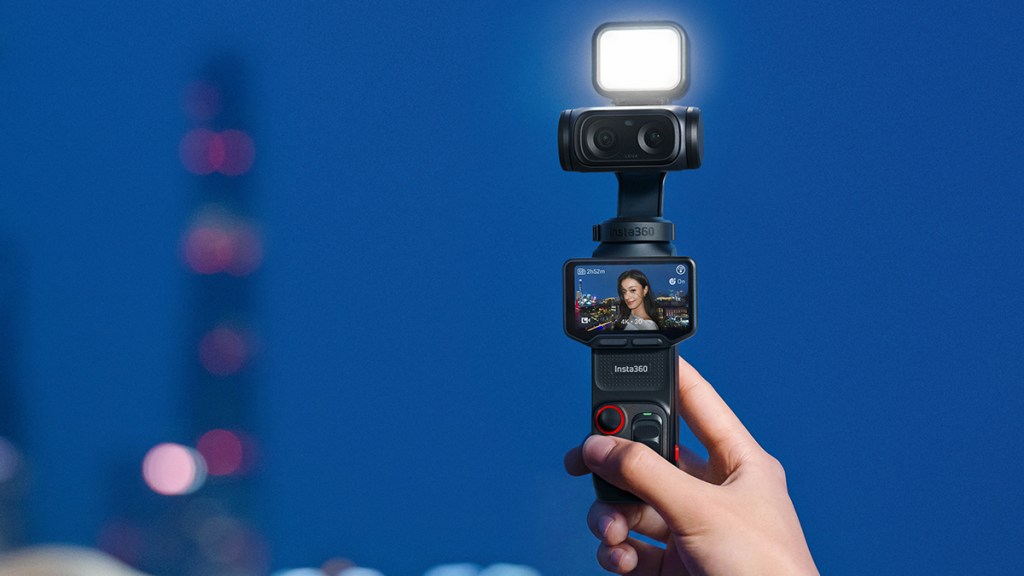
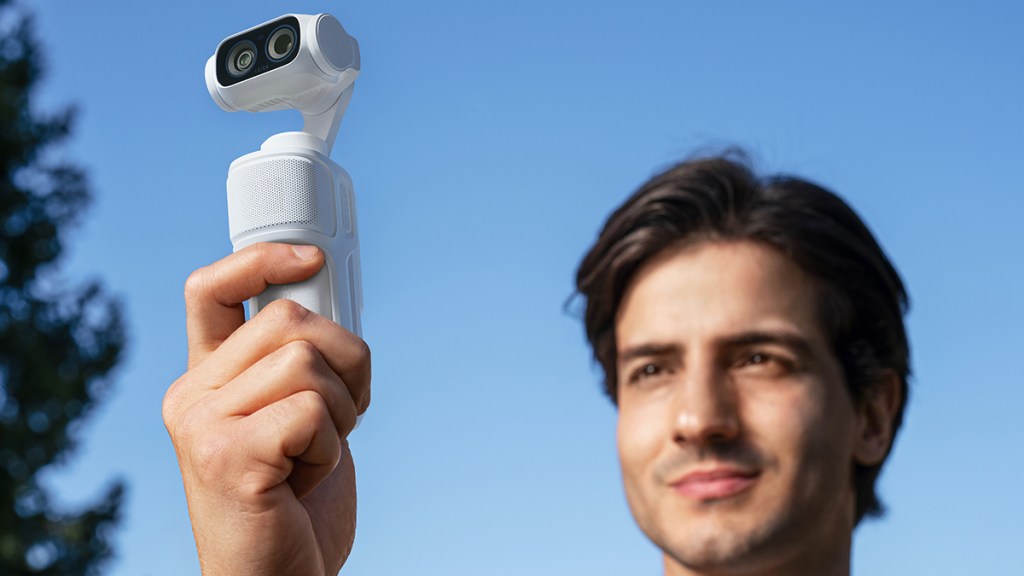
The Luna Ultra splits its imaging work across two distinct optical paths. A 1-inch sensor handles the wide-angle view, giving vloggers and run-and-gun shooters a broad canvas with strong low-light capability. A second lens, paired with a 1/1.3-inch sensor, delivers a tighter telephoto perspective aimed at subjects positioned farther from the camera.
That pairing means a single pocketable body can cover both establishing shots and close-up detail work without a lens swap — a trick no DJI Osmo Pocket model currently matches. The trade-off shows up in post-production: when cutting between clips captured by each lens, color matching between the two sensors demands more grading effort than expected. It is not a dealbreaker, but it is a workflow consideration worth planning for on multi-camera edits.
8K Capture, Dolby Vision, and 10-Bit I-Log
On the video side, the Luna Ultra tops out at 8K resolution at 30 frames per second. For colorists, it also records in 10-bit I-Log and supports Dolby Vision grading — a combination that positions the camera squarely in professional post-production pipelines rather than the quick-share social media tier.
That level of recording latitude matters most in high-contrast scenes where standard 8-bit footage clips highlights and crushes shadows. With I-Log, the Luna Ultra preserves a wider dynamic range, giving editors more room to push exposure and saturation in software. The catch is file size: 8K 10-bit I-Log footage is heavy, demanding both fast storage and a reasonably powerful editing rig.
PureVideo Turns Dim Conditions Into Usable Footage
Insta360's PureVideo mode, available at up to 4K60, applies aggressive computational processing to reduce noise and retain detail in low light. The feature has appeared on other recent Insta360 releases, but on the Luna Ultra it carries particular weight because the camera is positioned as an all-day companion — the kind of device a shooter keeps rolling well past sunset.
During UK winter testing, when daylight fades by mid-afternoon, PureVideo allowed continued outdoor shooting into the evening without the grainy, muddy results typical of small-sensor cameras in dim environments. It does not turn night into day, but it extends the usable shooting window meaningfully — enough that planning a shoot around golden hour becomes a preference rather than a hard constraint.
A 2-Inch OLED Screen That Walks Away From the Camera
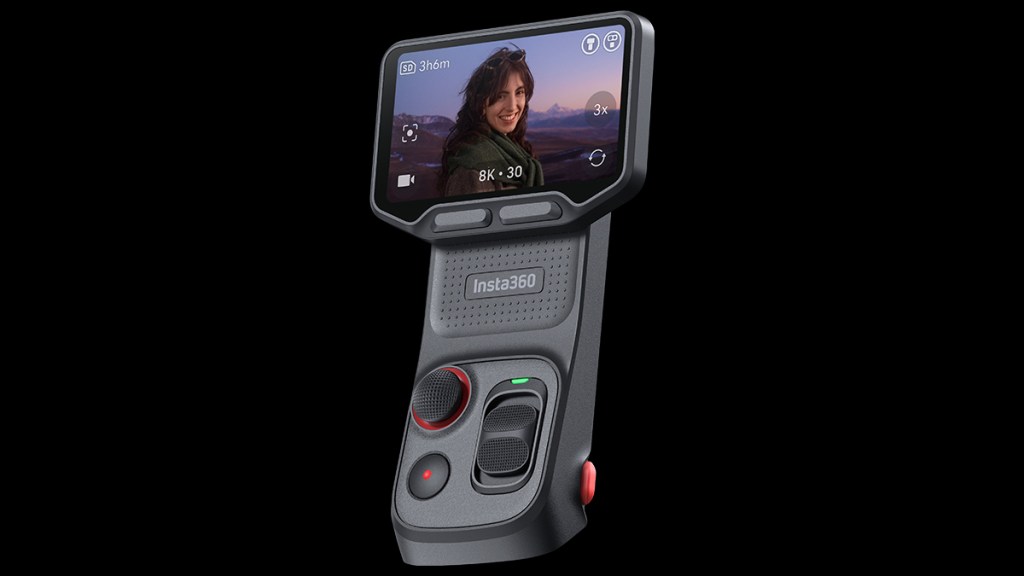
The Luna Ultra's most unusual hardware move is its detachable 2-inch OLED display. Once removed from the camera body, the screen continues functioning as a wireless monitor and remote control, letting the operator compose and trigger shots from a distance.
Insta360 explored a similar idea with its GO line of tiny wearable cameras, but the Luna Ultra pushes the concept further by pairing the detachable screen with a far more capable dual-lens imaging system. In practice, this solves a real framing problem: mounting the camera on a monopod, a car dashboard, or across a room and still seeing exactly what the lens sees without squinting at a phone app. For solo creators who frequently appear on-camera, the ability to frame and hit record from the wireless display is a tangible workflow upgrade over reaching for the camera body or fumbling with a smartphone connection.
Stabilization That Lets You Stop Worrying About Shake
Gimbal-level electronic stabilization has become table stakes in this category, but the Luna Ultra's implementation stands out for how much operator movement it absorbs. Running footage remains smooth; only the most violent jolts break through. The practical effect is that a shooter can move through a scene — walking, climbing stairs, even jogging — without dedicating mental energy to keeping the camera level.
That confidence matters in unpredictable environments: crowded streets, festival grounds, trail-side vlogs. Where a less capable stabilizer forces the operator to slow down and baby the shot, the Luna Ultra lets them move at the pace of the moment and trust the software to handle the rest.
The $769 Question: Size, Price, and Where It Fits
At $769.99, the Luna Ultra sits at the premium end of the compact camera market, and its first-generation status comes with a couple of acknowledged rough edges. The body is slightly larger than the DJI Osmo Pocket series — still portable, but noticeably less pocket-friendly when packing up between vlogging setups on the move.
The price, though, buys a feature set that no single competitor currently replicates: dual focal lengths on one body, 8K recording with professional color science, a detachable wireless monitor, and stabilization that rivals dedicated gimbals. For creators who would otherwise need a camera, a separate telephoto option, an external monitor, and a gimbal to cover the same ground, the Luna Ultra consolidates all four into a single device. Whether that consolidation justifies the premium depends on how much a given shooter values packing light versus having the right tool for each individual job.
Source material: gamerevolution.com — this piece is based on that published source material.
Images