Ed Wu
When Pokémon Became Real: Ed Wu's Inside Story of Pokémon Go's World-Changing Launch
Ed Wu recounts how a vision of Pokémon in the real world led to the largest computing cluster of its time and a global phenomenon that still connects millions.

The Squirtle That Started a Stampede
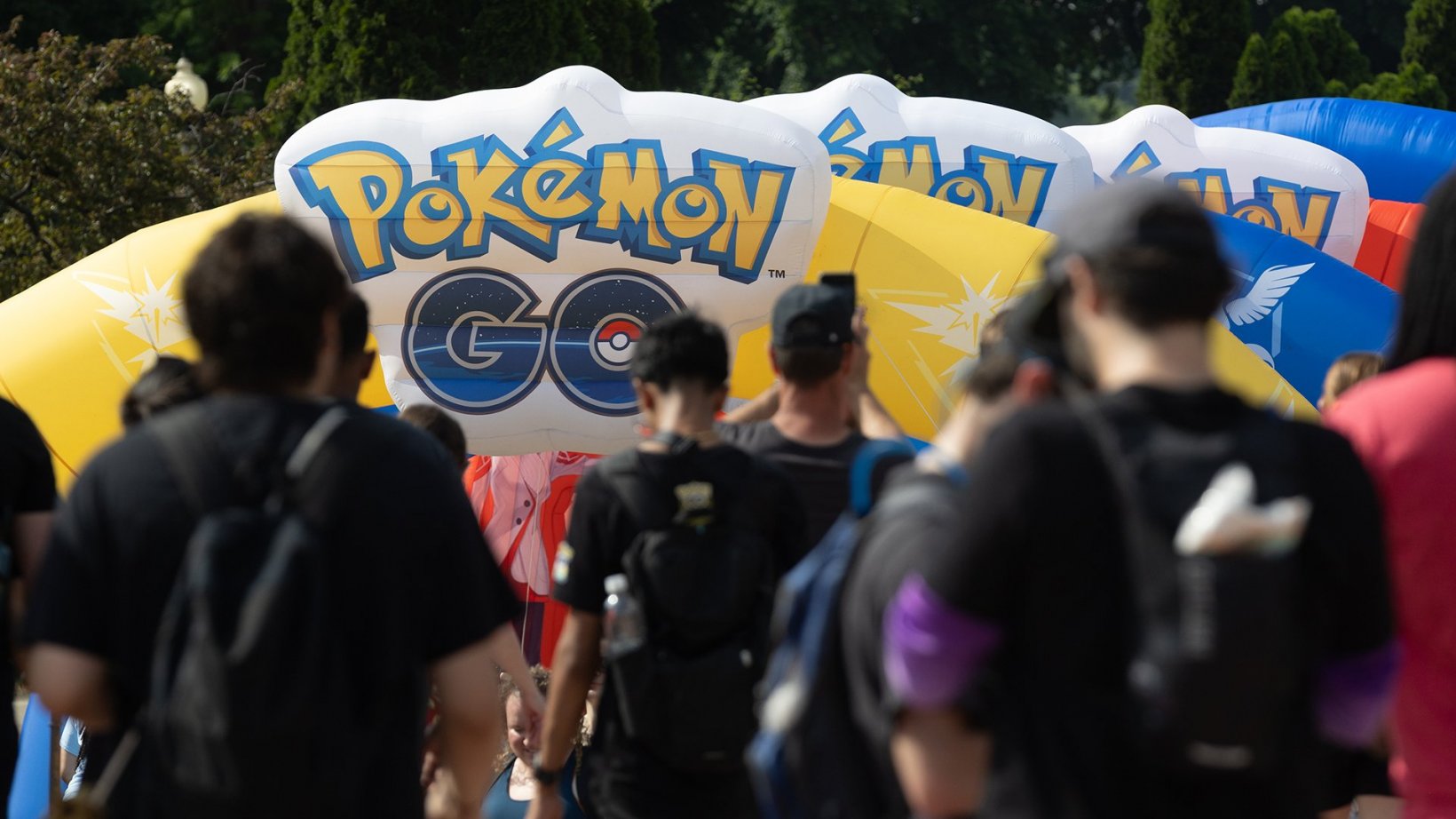
Sleep-deprived after launch week, Ed Wu walked into Bellevue Park expecting quiet. Instead, he heard a shout—“Squirtle”—and hundreds of players bolted toward a digital spawn. The moment, captured on video, felt surreal to Wu, the engineering lead who’d spent months wrestling servers. It was the living proof of a trailer that had guided his team: a world where Pokémon roamed the streets and strangers chased them together. For Wu, that sprint wasn’t just gameplay; it was the trailer’s vision made flesh, where folks genuinely believed Pokémon were real.
From Ingress to Pokémon: A Foundation of One World
Before Pokémon Go, Ed Wu helped build Ingress at Niantic under John Hanke. Ingress ran as a single global instance—no shards or servers—so every player fought over the same map of Earth. This design forced real-world exploration: people altered commutes and weekends to claim portals. Wu saw the same DNA in Pokémon—exploration, healthy competition—and pitched it to the Pokémon Company. Ingress became the prototype; its codebase, the foundation for Pokémon Go’s scale.
Building the Dream with a Tiny Team
After Niantic spun out from Google in October 2015, Wu and fewer than 20 developers had 10 months to ship Pokémon Go globally. Their compass was a single trailer depicting Pokémon in real-world settings. That clarity let a tiny team write proto-code, shaders, and server logic to handle millions. Wu’s early Ingress work on scale—like supporting two battling teams across one planet—directly fed into Pokémon Go’s architecture, enabling the rushed but coherent launch in July 2016.
Poké Balls Per Second: The Metric That Revealed the Frenzy
During the field test, Niantic measured “Poké Balls per Second” (PBPS) to gauge engagement. With a few thousand testers on six machines, PBPS peaked around 3. As sign-ups grew, it hit 8. At global launch, numbers exploded: 14,000 PBPS in the first days, surging to over 20,000 PBPS in week one. Traffic from unsupported regions overwhelmed servers, forcing spawn removals and frantic scaling. Google allocated an entire data centre, creating what Wu called the largest computing cluster of its kind on the planet at the time.
A Forever Game Born from Friendship
Pokémon Go's legacy transcends server stats, rooted instead in human connections. The game spawned lifelong friendships as players gathered in parks, traded creatures, and battled raid bosses side by side. This social layer, absent in most digital games, turned a mobile app into a persistent community. For Ed Wu, what matters most are the memories made while playing—connections forged through shared outdoor moments of exploration and healthy competition, a phenomenon no previous game had achieved.
Source material: pocketgamer.com — this piece is based on that published source material.
Images